

Patient of the Month – Nisha P.

If you would like to donate to Soft Bones in honor of Nisha, please click the button below!

If you would like to donate to Soft Bones in honor of Nisha, please click the button below!
When a Diagnosis Changes the Past and the Present
 TW: Loss of a Child
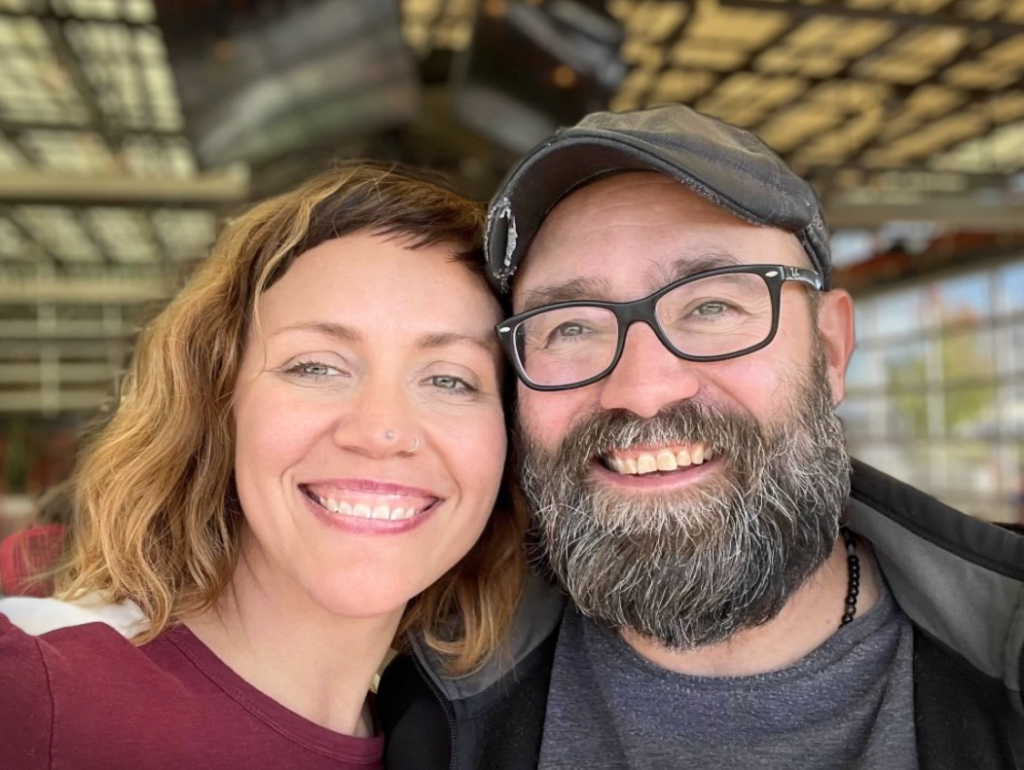
I was diagnosed with adolescent-onset hypophosphatasia (HPP) in March 2024 at the age of forty-nine. My diagnosis finally gave a name to something I had sensed throughout much of my life, but it also caused me to look backward – especially at the loss of my first child.
My first son was born eight weeks premature in 1998 and died the day he was born. He had multiple serious medical complications, including bone deformities, absent kidneys and underdeveloped lungs. Genetic testing was performed, but no underlying explanation was ever found.
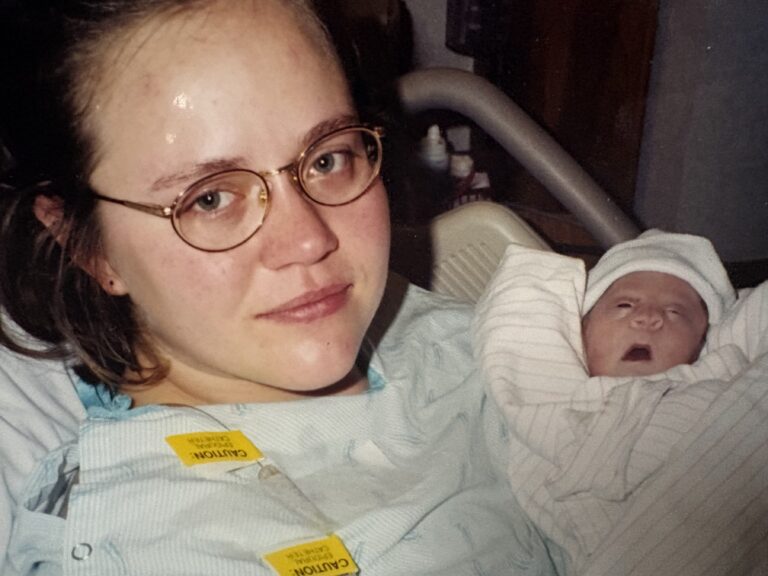
For more than twenty-five years, I lived without an answer for why my baby had developed the way he did – until I was diagnosed with HPP.
One of my first thoughts, even before my own genetic diagnosis was confirmed, was my children, including my first son who died. Could HPP have been part of his story?
My form of HPP is considered mild, and I did not have an obvious history with bones and teeth that pointed toward a rare metabolic disease. Instead, I had a lifetime of seemingly disconnected pieces and an intuition that something wasn’t quite right, while being otherwise strong and healthy. For years, I changed my diet, searched for ways to feel better and wondered, “What is wrong with me? Why is it so hard for me to do some things that everybody else seems able to do so easily?”
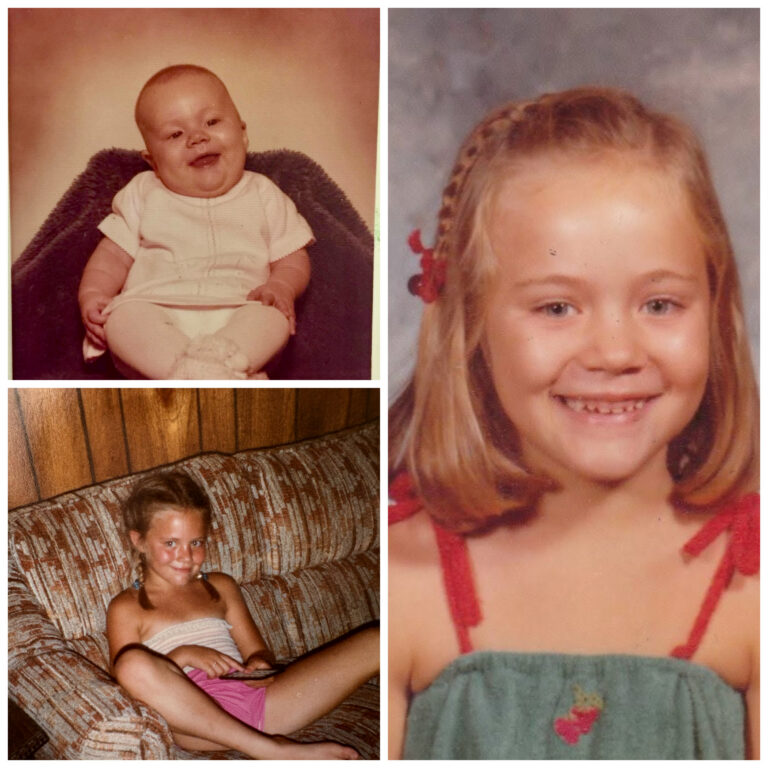
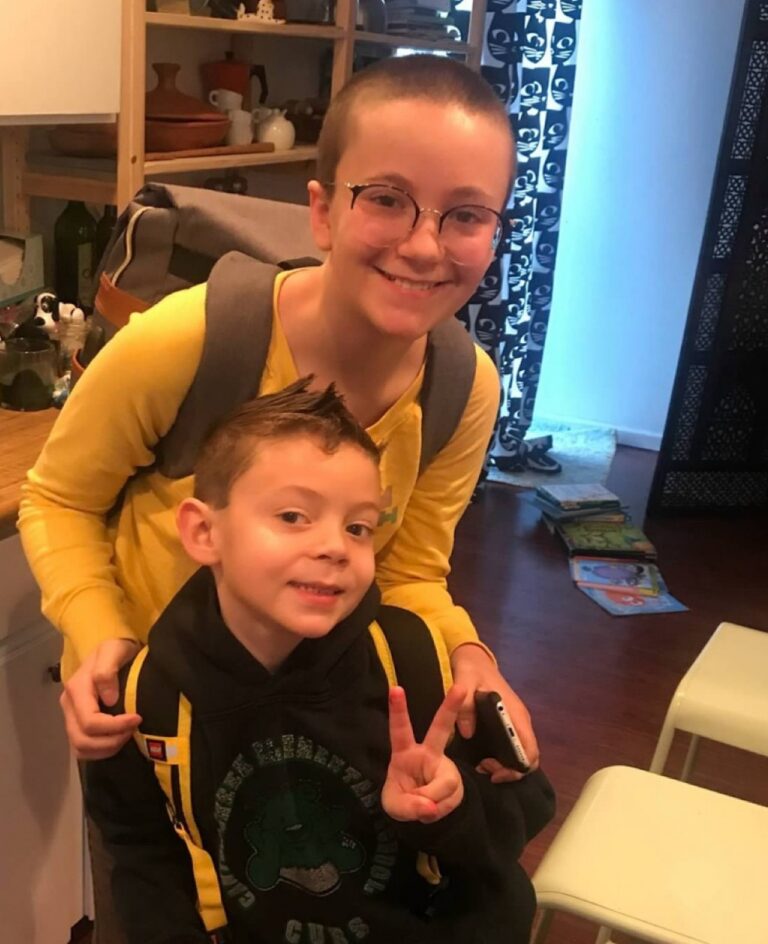
I pushed through unexplainable fatigue and changes in mood, worked hard to be my best with friends and family, at work, and as a mother. I experienced significant hormonal difficulties beginning around puberty, along with other unexplained health concerns throughout my life – including baby teeth that were fused to the bone and had to be removed, hypermobile joints, blanking out episodes as an adolescent brought on by flashing lights, which I now believe were absence seizures, anxiety, depression and unexplained mood changes, frequent sore throats and UTI’s, various skin issues, thin, splitting, ridged fingernail, periodic unexplained fatigue, a knee injury that wouldn’t heal properly for years, lower back pain, terrible PMS with physical and emotional changes, regular motion sickness, and an overall awareness that something wasn’t right.
I also had three extremely difficult pregnancies with an eventual diagnosis of hyperemesis gravidarum in the third, which increased in severity with each pregnancy. And all three of my children ultimately had their own unique diagnoses and challenges. That finally began to change in January 2024 when I went to a functional medicine clinic primarily for help with my hormonal health.
More detailed laboratory evaluation identified low alkaline phosphatase (ALP) and elevated vitamin B6. Those results caught my attention because my 10-year-old son at the time had similar unexplained laboratory findings that I had previously discussed with his doctors. Fortunately, my nurse practitioner was familiar with HPP and recognized the pattern.
I was diagnosed in March 2024, and my third child was subsequently diagnosed in April. By September, genetic testing confirmed autosomal dominant HPP in both of us. My second child tested negative, and we have since identified which side of my family carries HPP.
Suddenly, what had seemed like another isolated medical mystery became a thread running through generations of my family – from my mom,likely her mom, and so on – and that thread inevitably led me back to my first son. There is a complicated mixture of emotions that comes with receiving a diagnosis late in life. There is relief and validation in finally understanding that some of what your body has been telling you all these years was real, but there is also grief.
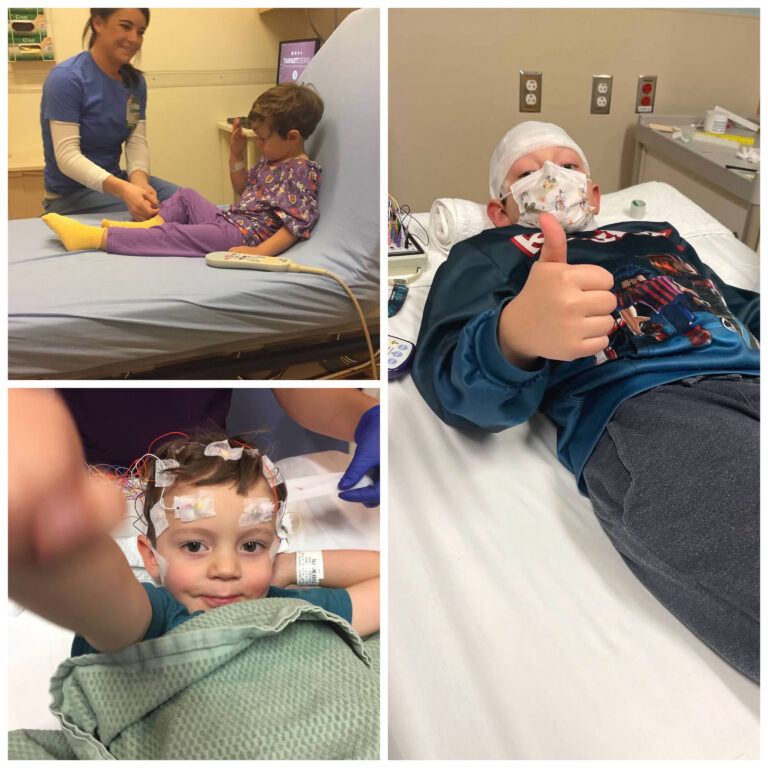
I think about the years I wondered why I struggled. I think about how often I pushed through and believed I simply needed to try harder. I think about three difficult pregnancies and three children with medical challenges – each with very different medical stories – and I think about the baby who is no longer here.
A diagnosis can explain your present while simultaneously changing the way you understand your past. That has been one of the most profound parts of HPP for me. Today, I am doing significantly better after taking Strensiq and other supportive treatments for over 2 years, but I still have questions.
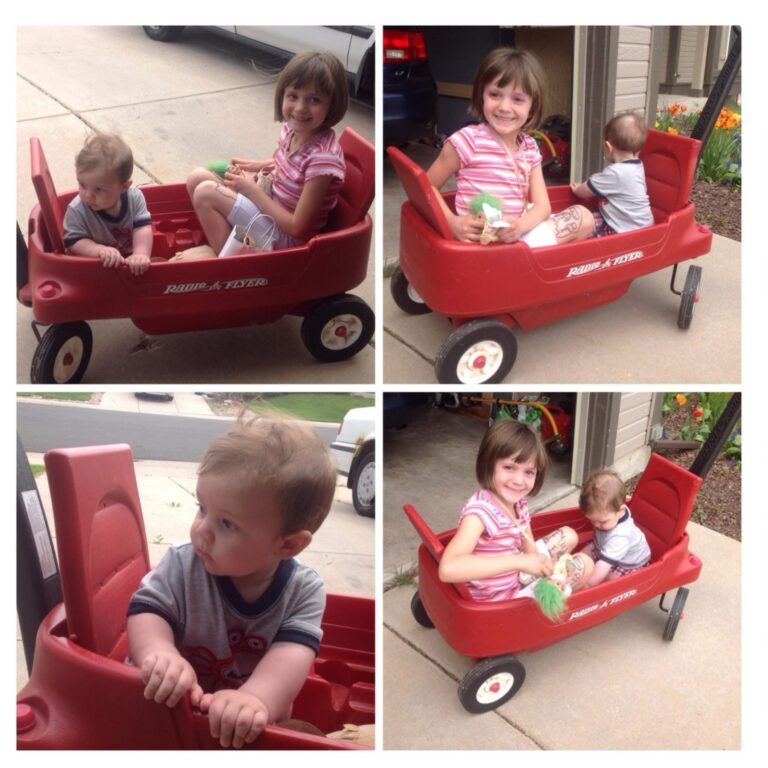
I’m grateful for Soft Bones and all those who are working for more research and awareness of HPP so that clues such as persistently low ALP aren’t overlooked and patients don’t spend decades wondering why their bodies don’t function the way they expect them to.
I look forward to more research into the non-bone-specific forms of HPP and the ways this condition may affect many other systems of the body, beyond musculoskeletal. I am particularly interested in research exploring the relationship between hormones and HPP and how different stages of life may influence symptoms. I hope treatment continues evolving to address the multiple needs and quality of life of people living with HPP. Most importantly, I want future families to have more answers than questions, so they don’t feel so alone.
My desire for connection and eventually led me to become a Soft Bones Central Region Lead, so I could continue to help connect people with HPP in Colorado. Although I have great enthusiasm, I find that my HPP – along with the business of work and my family life (now including two step-children) – also affects my ability to deliver what my mind imagines! I have to pace myself and life and HPP often gets in the way of my deadlines. But connecting with others through Soft Bones helps me see that it does for so many others as well. And I don’t feel so alone, so different, or crazy, and validates my experiences. I’m kinder to myself, pressure myself less, and allow beauty of the present in. It helps me find gratitude in the wellness, strength and energy that we do have – and possible answers through a community of those who are like us.
My geneticist told me that there is no way of knowing if my first son had HPP. She said there were diagnoses he had that didn’t point to HPP. But to be fair, how can we know what there isn’t yet research on yet? And that is the case with so many aspects of HPP. Receiving my diagnosis changed the way I understand his story and my own. My first son’s life lasted less than 30 minutes, but his existence changed my life, and our family’s HPP has brought the past and present full circle.
My hope in sharing our story is that others who relate also feel less alone, more connected and that our stories will drive research that will lead to more answers and better care for the families, not only with all forms of HPP, but for those with the less severe and less researched, yet very impactful forms of non-bone specific forms HPP.
I’m grateful for the Soft Bones community, all those who support those with HPP, and those who continue to seek answers. I’m grateful for my first son’s life, and his death that gave me a greater appreciation of life and living it to the fullest – and his clue he left for our eventual diagnoses. I’m grateful for my children who I get to watch grow every day, and my husband and best friend who love me and others with their whole hearts unconditionally and remind me that we are all worthy of love just as we are.
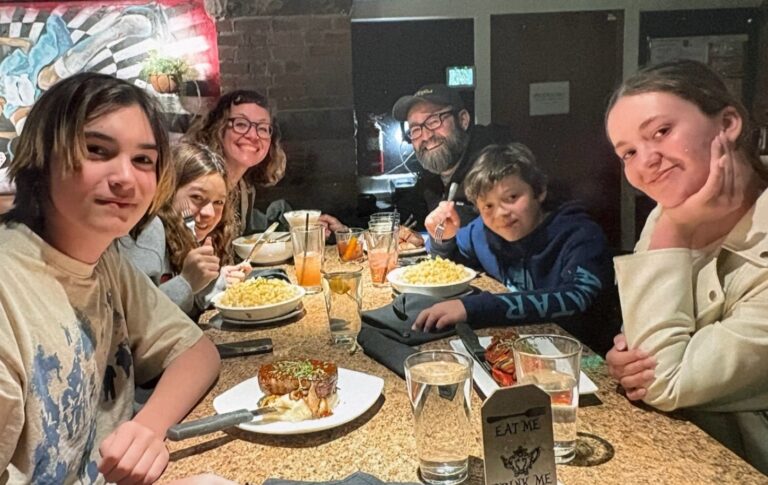
As hard as HPP can be, I’m grateful to my HPP for giving me the gift of the present, permission to slow down and be kind to myself, and greater self love. I send that love to you all.
Responses