

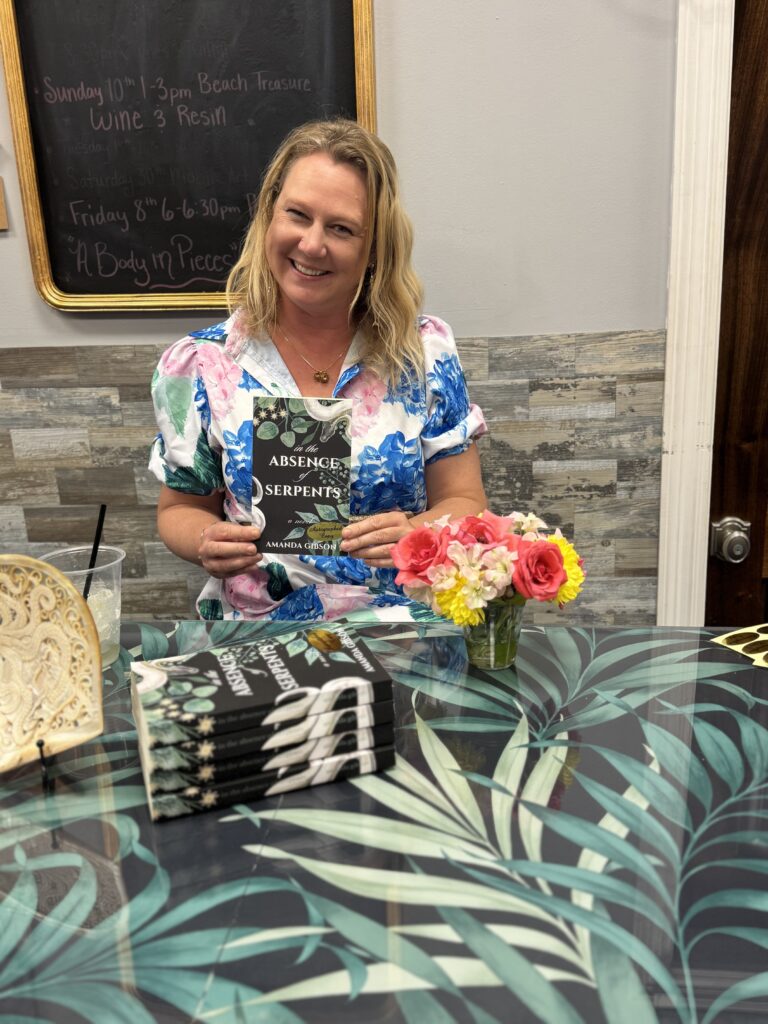
Patient of the Month – Amanda G.

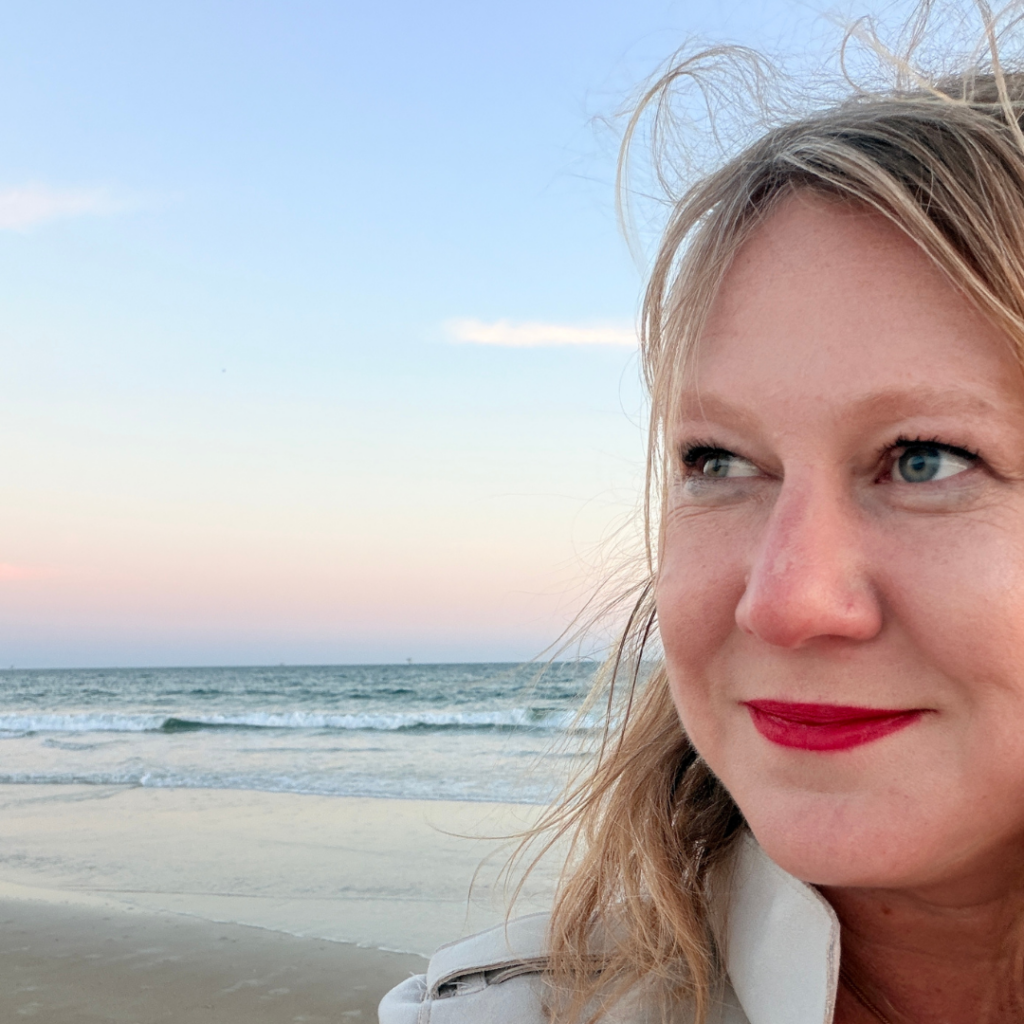
If you would like to donate to Soft Bones in honor of Amanda, please click the button below!
For over a decade, I kept convincing myself nothing was wrong, but there was always this tiny voice that whispered, “This is not normal.” It became harder to silence as the symptoms kept accumulating. First came the abdominal pain, a relentless dull ache that felt like a small creature burrowing into my intestines. But then there was also the chest pain, the tender lymph nodes underneath my armpits, and the brain fog that rendered me unable to remember why I walked into a room or, embarrassingly enough, the names of my coworkers. The symptoms stacked, one on top of the other, so many that I stopped being able to count them on two hands and had to keep track of them in the Notes app on my phone.
No one looking at me would have known. Most days, I moved through life normally enough. I worked, parented, wrote, laughed, answered texts and emails, traveled to my favorite places near and far, made dinner, cheered on my children’s teams from the sidelines at soccer and basketball games, and did all the ordinary things a “geriatric millennial” like myself does, all while downplaying just how uncomfortable my body had become. For someone so terrified of exuding medical anxiety, the truth was entirely the opposite: deliberate ignorance. Choosing to believe everything was fine felt easier. So despite the issues beginning a decade prior, I accepted the explanation many forty-something women are handed sooner or later: perimenopause.
Nevertheless, by February 2025, the abdominal pain had become impossible to ignore. I realized halfway through a conversation with my son that I had not absorbed a word because of my inability to ignore the same persistent spasms in my abdomen. I had dealt with gastrointestinal issues most of my life, but this felt different. A gastroenterologist felt like the obvious place to start. The first bloodwork showed nothing but smooth muscle antibodies, which briefly raised the possibility of autoimmune hepatitis before a liver scan ruled it out.
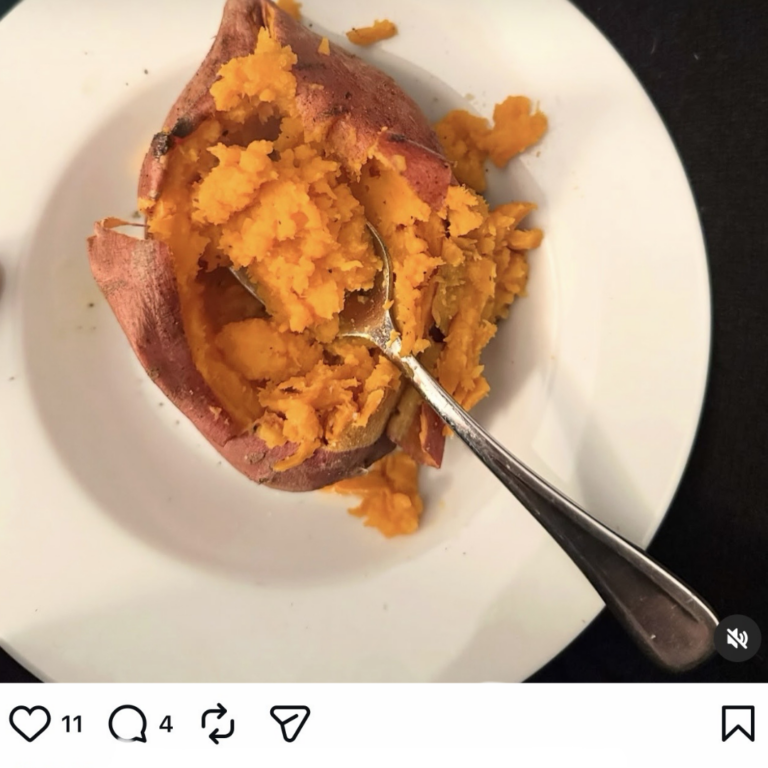
My primary care doctor suggested Whole30 in the hopes that thirty disciplined days might reveal a pesky food intolerance (most likely dairy) that I could identify (and then promptly ignore, as I discovered life without cheese was much more difficult than I expected). I documented the month on Instagram, posting my grain-free meals and signing each update xoxo, gastritis girl, because self-deprecating humor was easier than admitting how desperately I wanted one month of “clean eating” to be the magic cure. Nothing changed. If anything, I felt worse.
In March, the burning started. It ran down my left leg and settled decisively at the base of my spine and above my right kneecap, as though two wires kept getting switched on and off throughout the day. Neurology followed because, well, nerves. The MRI ruled out multiple sclerosis but identified spinal stenosis (essentially arthritis of the spine) and an S1/L5 tear, so I was scheduled for a nerve study. It’s funny how the words “nerve study” suggest something innocuous and academic when really it equates to lying on a table while a nurse runs an electrical current through needles stuck into your arms and legs. 0/10 do not recommend. Of course, it came back negative, which thankfully ruled out some scary stuff but brought me no closer to closure.
By May, gastroenterology escalated to colonoscopy and endoscopy. There is always a strange optimism before procedures like those, the feeling that if someone finally looks closely enough at your literal insides, they will surely find the thing dismantling your life. Instead, it identified a litany of inflammation: gastritis, duodenitis, and esophagitis. Inflamed, yes. Why? No one had a clue.
That same month, at a yearly Mother’s Day picnic I looked forward to for months, I chatted with a friend, pretending to ignore the oppressive Alabama heat, when suddenly our conversation became strangely difficult to follow, as if she were speaking through a paper towel tube. My thoughts were muddy, and my lips refused to obey the words in my brain. I told my husband we needed to leave and fell asleep on the drive home.
By June, an autoimmune disease called Sjögren’s entered the chat. I called an ophthalmologist’s office ahead of time and specifically asked whether they could perform a Schirmer’s tear test, in which a tiny piece of paper is inserted in the eyelid and then essentially wrung out in order to measure tear production. It sounded awfully uncomfortable, but I was desperate, and it was a critical diagnostic tool for this disease. The receptionist assured me that any one of their doctors could diagnose Sjögren’s disease.
At the appointment, the nurse asked about symptoms while typing. I started listing them, then stopped halfway through and asked if I needed to slow down. “Oh,” she said without looking up. “I’m not writing this down.” The doctor came in, told me I had the tear-film thinness of an eighty-year-old, refused to conduct the tear test entirely, and declared that if I stopped eating sugar, my autoimmune issues would disappear. I had just finished a month of not eating sugar.
I decided to stop waiting for someone else to discover the answer. I opened my patient portal for the first time. Almost immediately, one glaring abnormality emerged on every routine metabolic panel: low alkaline phosphatase. Again and again. Levels between 20 and 35 for fourteen years. Every time, the nurse had called to tell me my bloodwork was normal.
At my next appointments, I brought it up to my specialists. “We only worry if it’s high,” they said. “Except for this very rare disease, but you probably don’t have that.” I Googled it before leaving the hospital parking lot, bringing me to a physician-facing site cautioning providers against ignoring low alkaline phosphatase, a hallmark sign of an ultra-rare metabolic bone disease called hypophosphatasia (HPP).
HPP is caused by a mutation in the ALPL gene, which affects the body’s ability to produce enough alkaline phosphatase, an enzyme critical not just for the mineralization of bones and teeth, but for broader metabolic processes throughout the body. In adults, HPP can look much different than the often-fatal perinatal or childhood forms, and it frequently goes unrecognized because its symptoms scatter across specialties.
By that summer, the burning had been joined by hand cramping, stiffness, and reduced dexterity, as well as new symptoms. I was beginning to lose track of bladder retention, which made nights miserable, and the heat intolerance progressed. A warm shower or a few minutes outside could trigger dizziness and confusion. Around the same time, I accidentally started a business on top of my full-time job as a writer at an advertising agency, gilding the shells, bones, and barnacles I foraged from the beaches surrounding our gulfside family home and transforming them into jewelry.
Like most hobbies, it started as a distraction. I liked the meditative concentration it required, the process of turning found objects into something unique and beautiful that you could wear. Except some days my fingers seized and cramped before I could even finish one piece, or an involuntary twitch ruined an intricate resin work. There is something seriously maddening about your own hands betraying you.
Hair loss (the kind in clumps in the shower, not strands on a hairbrush) sent me to dermatology. Perimenopause, she said, with the kind of confidence that made further discussion feel futile. Friends and family said perimenopause, too, kindly but knowingly, as though I was naive for resisting the explanation. I understood why. I was in my forties. Hair loss fits easily there. So does fatigue. But I also knew that this explanation didn’t account for the decade of odd physical maladies before it.
Later in June, my primary care doctor ran the Sjögren’s antibodies. Like most of my bloodwork, they came back negative. I remember sitting in her office while she assured me she believed me about my pain, which was no small gift to someone already beginning to feel insane. She placed a rheumatology referral. The earliest appointment was not until November.
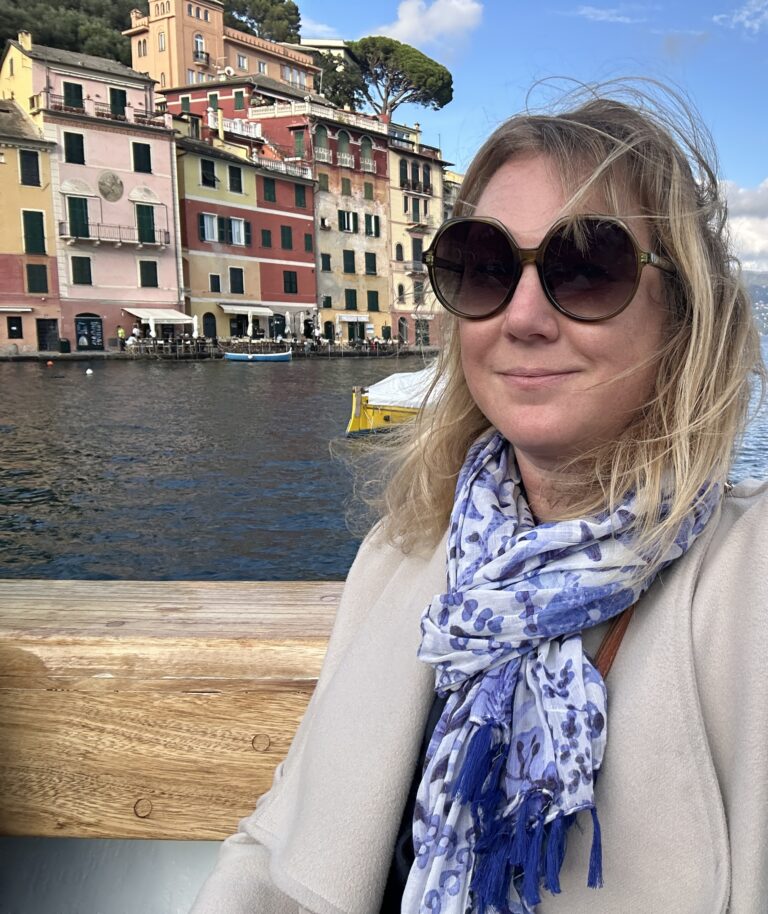
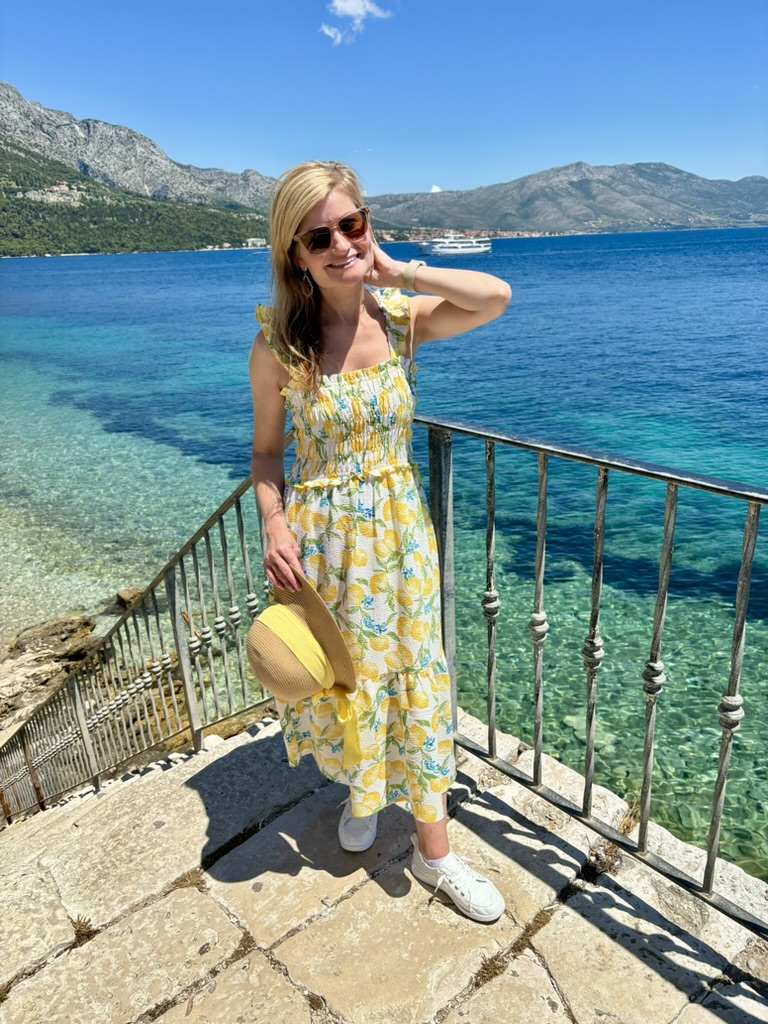
So I shoved my discomfort deep down and continued with my life. Travel has always been how I make sense of the world, and so I clung to the comfort that, despite swollen hands and aching joints, I could still do the thing I loved the most. I cruised the Mediterranean, wandered through Barcelona, introduced my children to gelato in Florence, stood on rocky coastlines in Mallorca and Nice, and did my best to collect memories as aggressively as my body continued collecting new symptoms.
When my rheumatology appointment finally arrived in November, she took one look at my labs and said, “I suspect hypophosphatasia. Let’s do a B6 test.” Unsurprisingly, the B6 came back elevated. With those two simple tests and my symptoms, I had met the clinical criteria, but to be sure, she put in an order for a genetic test to confirm the diagnosis.
One day in December, the abdominal pain became so severe that I took sick time off work in the middle of the day and went to the ER. The CT scan was clear except for two seemingly unrelated findings: coronary artery atherosclerosis and bibasilar atelectasis, a partial collapse of the lower lobes of my lungs, likely caused by guarding so tightly against the pain that I had unconsciously stopped fully inhaling. Morphine didn’t touch the abdominal pain, but because I was not in visible organ failure, I was discharged. And even while sobbing in the triage room, part of my brain was still focused on trying not to be interpreted as dramatic.
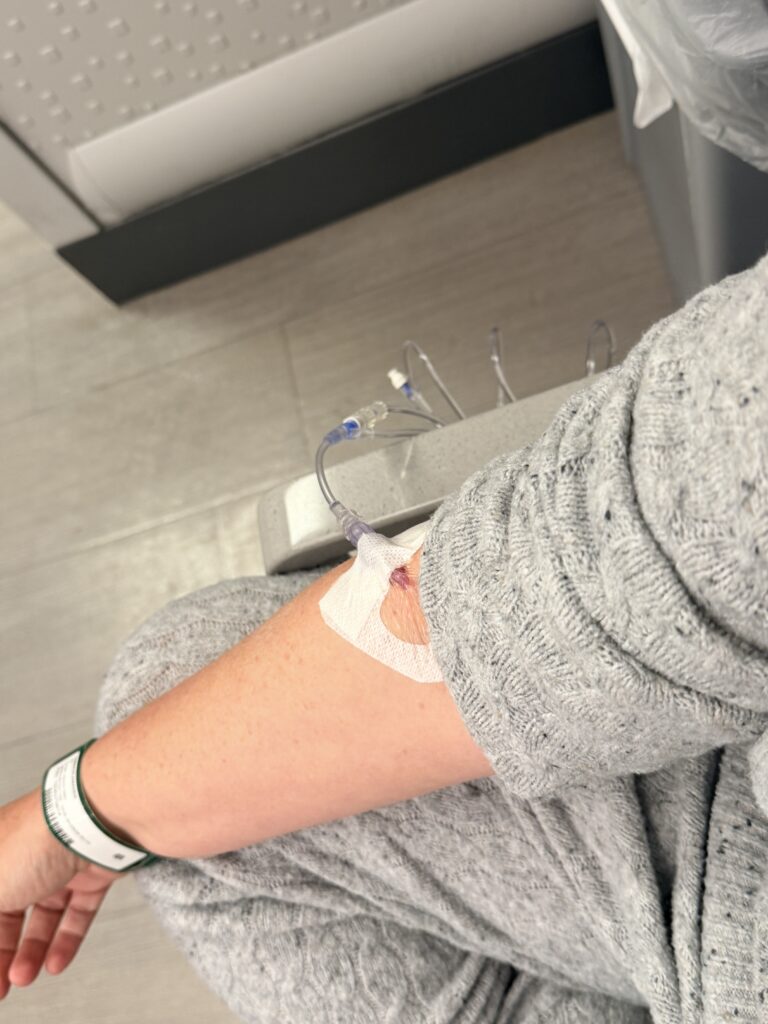
In February 2026, after waiting 28 days for the genetic results, it revealed what I had already pieced together myself: a pathogenic mutation in the ALPL gene, specifically the heterozygous c.984_986del (p.Phe328del) variant, a deletion associated with autosomal recessive hypophosphatasia that, according to the report, had been documented in at least one published study to result in less than 5% of normal enzymatic activity.
Exactly a year passed between my first GI appointment and the day my genetic test appeared in the portal. A full 365 days shuttling to appointments, referrals, blood draws, scans, scopes, phone calls, insurance approvals, and specialist waitlists. Of rehearsing symptoms before appointments so I would sound coherent and calm, not dramatic. Of carrying printed symptom timelines and bloodwork results from office to office because I knew my bizarre checklist of whole-body symptoms sounded insane coming out of anyone’s mouth. The most excruciating part of medical uncertainty is how much labor falls on the patient. I write this not to condemn my doctors, for most everyone whose office I sat in is a compassionate, brilliant medical professional. But it was up to me to connect the dots. Because it was my body.
Women know this dynamic intimately. According to a 2024 survey of more than 10,000 rare disease patients across 42 countries, women wait an average of 5.4 years for a rare disease diagnosis, compared to 3.7 years for men. Pain reported by women is more likely to be dismissed as psychological rather than physical, often attributed to anxiety or depression. Adult HPP in particular is frequently overlooked in women because symptoms are seemingly random, and patients often appear outwardly functional. I was functional. But I was also in pain that I had downplayed for years, until I discarded my fear of whatever was wrong with me and prepared to face it head-on.
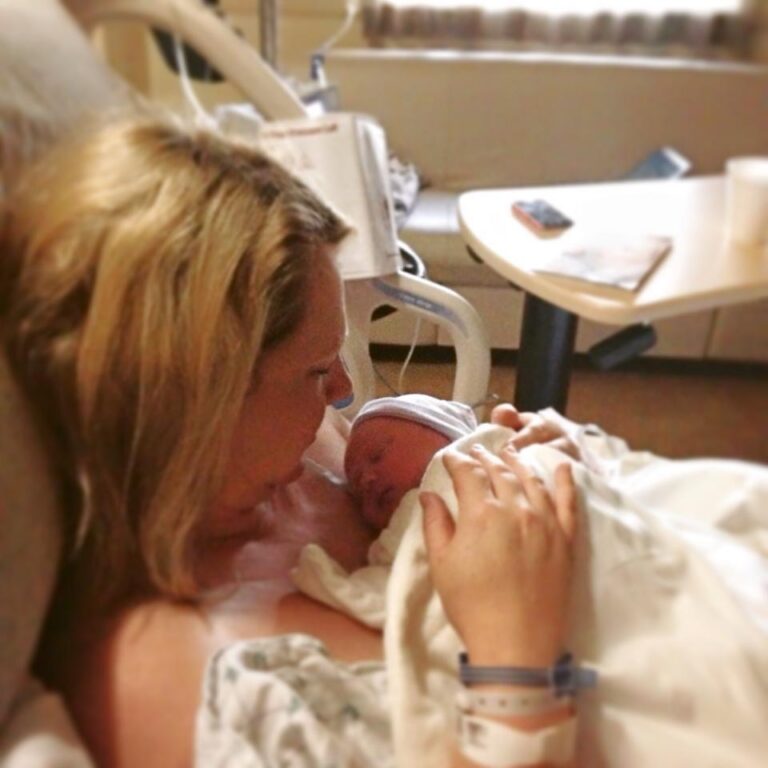
What no one can really prepare you for is the loneliness that accompanies unresolved illness. Your loved ones are concerned, of course. But after the twentieth appointment or third CT scan, the conversations start changing. People stop asking for updates, not because they do not care, but because such health uncertainty is difficult to sustain interest in indefinitely. And no one can truly “get it” unless they endure it themselves. Between the birth of my two children, I had three miscarriages in as many years (my struggle to stay pregnant was, as my gynecologist later informed me, most likely a result of this genetic mutation).
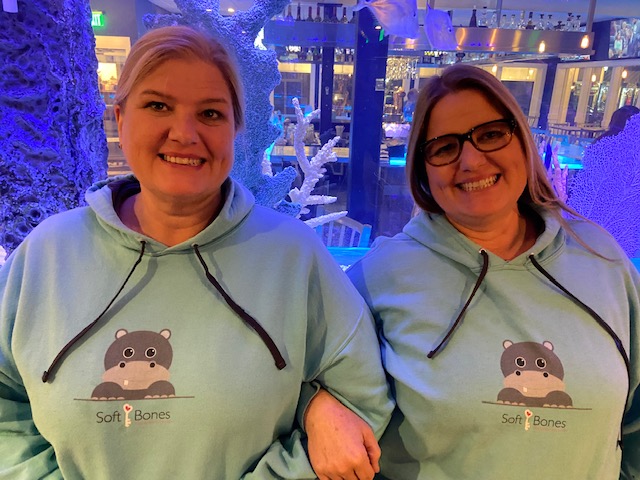
The only thing that soothed the pain of pregnancy loss was speaking to those who had also experienced it. There was something profoundly validating about encountering people who understood my plight immediately because they lived it themselves. That is what Soft Bones gave me.
Soft Bones is an advocacy organization for HPP patients and their caregivers, but describing it so clinically misses the point. What it actually provides is something far more valuable: research updates, in-person events and national gatherings, lists of providers who actually understand the disease, and a community of people who immediately recognized my story because they were living versions of it. In scanning hundreds of posts detailing mutations, scans, fractures, dental problems, odd pains, gastrointestinal complaints like mine, medication reactions, and years of symptoms that had also been dismissed as unrelated, I found that I was not alone in the slightest.
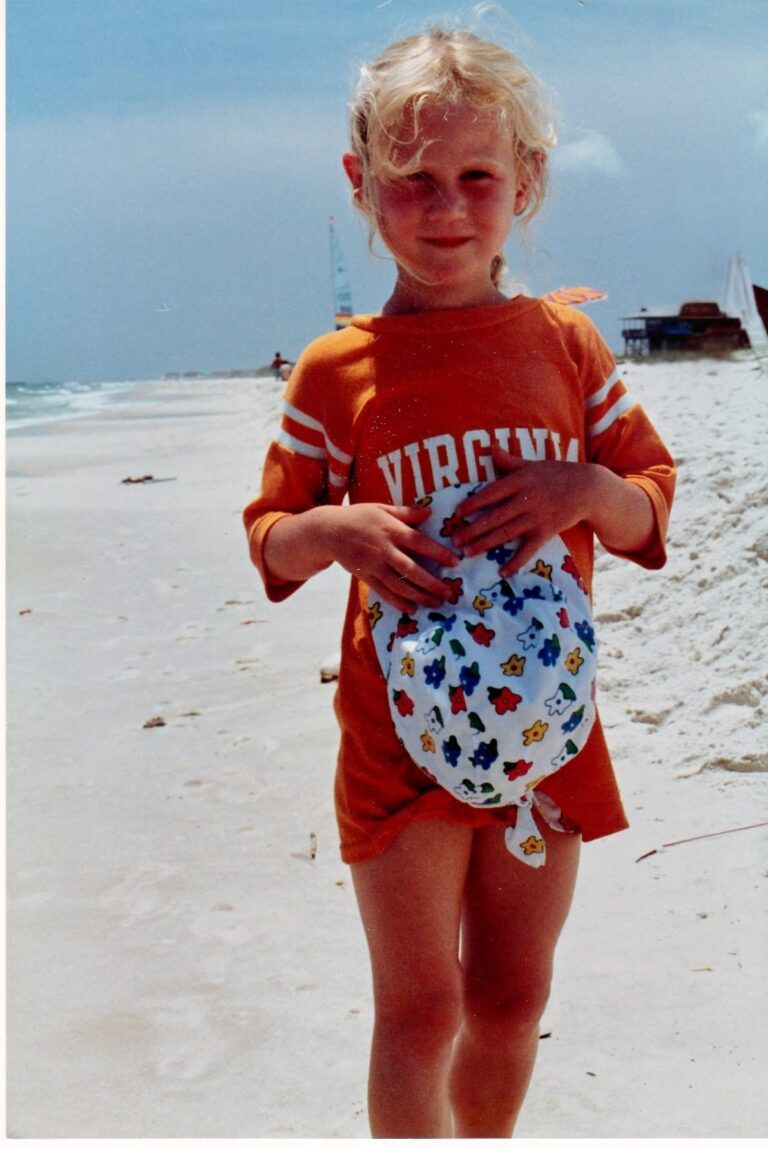
In retrospect, there had been earlier clues, too. As a high school athlete, I practically lived in the athletic trainer’s office, treating one injury after another: hyperextended knees, hyperextended elbows, cracked ribs during wrestling practice that ended with me being hauled off on a stretcher in front of the whole school, even a CT scan in college for impacted stool, which is exactly as glamorous as it sounds. Despite practicing good oral hygiene, I once cracked a back molar while eating tortilla chips. At the time, none of it seemed particularly meaningful. Just bad luck. My weird body. The puzzle pieces had to click into place, in exactly the right order, before anyone identified the pattern.
After my diagnosis, my PCP told me that she and my rheumatologist had discussed my case and both came to the conclusion that they could never ignore chronically low alkaline phosphatase again. I almost wept in her office. Hearing this didn’t erase the last year and a half. But perhaps another patient will be diagnosed sooner.
The Soft Bones community also helped me confront another reality of rare disease: diagnosis is not the same thing as access to treatment. Strensiq®, the enzyme replacement therapy approved for HPP (and the only treatment designed to actually address the underlying metabolic dysfunction), isn’t a prescription you just fill at a pharmacy on your way back from your appointment. If you were to self-pay entirely, it could cost upwards of one million dollars a year. Even after years of symptoms, abnormal labs, specialist appointments, genetic confirmation, and documented progression, the approval for treatment is another hurdle to surpass. Fortunately, there are programs available to make the drug affordable for patients, but it is still a process.
What we need most is research that encompasses the full systemic picture: the gastrointestinal dysfunction, the neurological symptoms, the fatigue, the muscle weakness, the cognitive changes that so many of us experience. While HPP specialists are certainly furthering this field and recognizing non-skeletal implications in peer-reviewed studies, general providers still consider HPP a “bone and teeth” disease (if they consider it at all). Many of my providers had never heard of HPP.
The issue is not simply rarity. It is recognition. What I learned during this year-and-a-half-long ordeal is that patients often know something is wrong long before labs can explain why, especially in an American medical system that rewards concise, easily categorized symptoms that stay in their lane and don’t cross disciplines. Rare diseases, by definition, affect fewer people than their more common counterparts, which means less, well, of everything. Money. Research. Attention. Patients and families are left to carry that bone-crushing (pun intended) weight themselves.
Self-advocacy is exhausting. It is expensive. It is uncomfortable. It risks making you seem anxious, difficult, overly informed, or dramatic. But if this experience taught me anything, it is that patients often know something is wrong long before medicine can explain why. Had I accepted every partial explanation, every reassuring dismissal, every “probably unrelated,” I would still be searching for answers. Instead, I found hundreds of people whose stories echoed my own with unsettling detail: the chronic pain, the gastrointestinal issues, the cognitive changes, and the persistently low alkaline phosphatase that had been overlooked for years.
Which is why I keep wondering how many people are still floundering in the gap between symptoms and recognition, being shifted from specialist to specialist, while the evidence is right there in their chart. And are the more than 7,000 identified rare diseases, affecting an estimated 300 million people worldwide, truly rare, or are they just rarely diagnosed?

Responses