

 Why Does a Bone Disease Affect Kidneys?
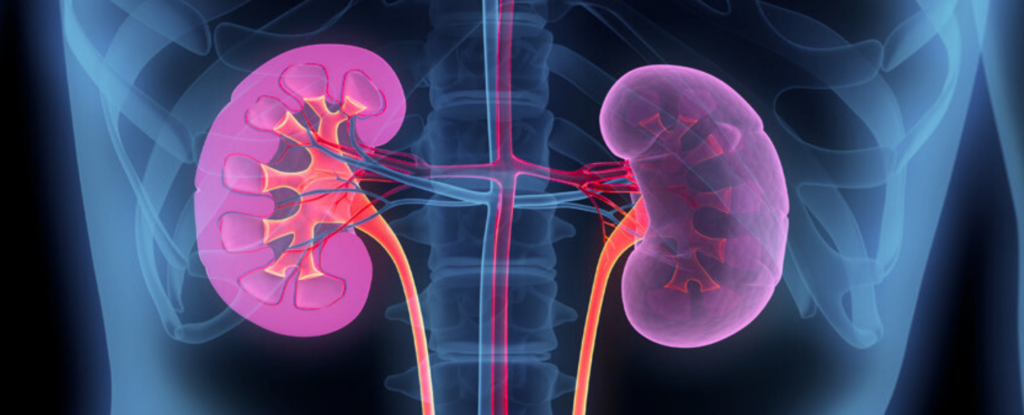
ALP is required not only for normal bone development, but also for maintaining healthy kidney function. Ordinarily, calcium, phosphorus, and vitamin D are flushed out through the kidneys via a process that involves ALP. Low ALP impedes the normal process, causing these minerals and vitamins to accumulate and setting in motion a chain of physiological events that can result in kidney malfunction.
What’s more, if you treat your HPP-related bone pain with nonsteroidal anti-inflammatory drugs (NSAIDs), as is common, you may inadvertently amplify the assault on your kidneys and hasten kidney damage.
 HPP-Associated Kidney Problems
People with HPP can be predisposed to kidney stones. Because low levels of ALP hamper the ability of calcium to exit the kidneys, calcium accumulates and can form into kernels—stones—that get stuck in kidney ducts. Besides being very painful, chronic kidney stones can lead to progressive kidney damage—which, leads to high blood pressure, which, in turn, further damages the blood vessels of the kidneys. If you have high blood pressure from causes other than HPP (family tendency, obesity, etc.), it can exert an additive effect on the kidney-related impact of low ALP. If not properly and quickly addressed, progressive kidney damage can lead to chronic kidney disease.
 What to Watch For
 How to Protect Your Kidney Health
- Good water intake to flush out high levels of phosphorus and calcium and minimize chance of crystal/stone deposits in the kidney
- Limit NSAIDS to no more than three times per day chronic use of NSAIDs can lead to kidney damage, increasing the damage from HPP
- Normal, age-based calcium intake – avoiding high calcium intake — too much calcium and vitamin D can cause renal complications — as the medical professionals move away from supplementing those with HPP with extra calcium and vitamin D, individuals with HPP should have fewer kidney problems.
- Normal vitamin D intake
- Control your blood pressure
- Annual kidney assessment, which should include blood pressure check, urinalysis, and serum creatinine
- Regular DEXA imaging and bone-lab monitoring, which should include parathyroid hormone and vitamin D status