


A Guide for Parents with Newborns and Infants

A Guide for Parents with Newborns and Infants

“Your baby has
hypophosphatasia”

These are words that parent is prepared to hear. They can trigger a rollercoaster of emotions from disbelief and shock, to anger and sadness, to relief and hope. And along the way, feelings of joy and happiness, no matter how little or big the “wins” may be.

We also know that a diagnosis of hypophosphatasia, or HPP, can be overwhelming.

Our goal with this guide is to provide parents with an introduction to HPP to help them navigate the road ahead. The information was compiled with input from leading medical experts, advice from other parents of children with HPP, and experience from Soft Bones, our organization that has been helping families with HPP for more than a decade. That said, it is important to understand that this guide does not substitute or replace direct medical care, advice and conversations with your HPP care team.

We want you to know there is a community behind you and hope ahead of you.

Children with HPP have their own distinct challenges, but also have their own unique personalities, gifts and talents. Just like no two children are the same, no two journeys with HPP are alike. But what is consistent is the strength and support found within the HPP community.

Welcome to the Soft Bones family.

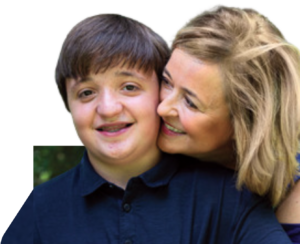
Deborah Fowler, Soft Bones founder and parent of Cannon, a bright and jovial young man diagnosed with HPP at 18 months old

Special thanks to Dr. Eric Rush, Dr. Jill Simmons, and Dr. Gary Gottesman for their invaluable input to this guide and unwavering commitment to the HPP community, and to the families quoted throughout this guide for sharing their stories, advice and inspiration.

What is Hypophosphatasia?

Hypophosphatasia (HPP) is a rare genetic metabolic disorder. People with this condition have low levels of the enzyme alkaline phosphatase (ALP), which often affects the development of bones and teeth. Without adequate ALP, bones may be soft or fragile, breaking easily and healing slowly. The condition can also cause skeletal deformities such as bowed legs and the early loss of teeth. More severe types of HPP may be life threatening.

Diagnosis is generally made through X-rays and blood tests. Other signs and symptoms that, along with low ALP, may point to a diagnosis of HPP include: 

  • Failure to Gain Weight
  • Short Stature
  • Bone & Joint Pain
  • Missed gross motor milestones (rolling over, sitting, crawling, pulling to stand, walking)
  • Misshapen head, caused by inappropriate mineralization or fusion of cranial sutures (called craniosynostosis, it affects approximately 40% of infants with HPP, even in milder cases)

HPP manifestations vary widely and can present differently in one child compared with another, even among siblings. In addition, the signs and symptoms can change over time. Although not always possible depending on severity, most babies with HPP can go on to lead full, active lives.

While there is currently no cure for hypophosphatasia, a treatment to help manage symptoms is available. In 2015, Strensiq® (asfotase alfa) was approved for use in the US, the European Union, and Canada for pediatric-onset HPP, and in Japan for HPP with onset at any age. The medication is an injection given multiple times per week subcutaneously. It is a recombinant (factory-made) form of ALP that has a bone-targeting component.

"Over the past decade, there have been significant advancements made both in the understanding of HPP as well as treatments and supportive therapies. This has resulted in meaningful improvements in care and exceptional quality of life for infants and young children with HPP and their families."

Diverse Experiences, United Community

Every journey with HPP is unique. Having a child with a rare disease is not an easy road and can be filled with twists and turns. Although every family’s experience can differ vastly, there is a collective strength and resilience shared among those affected by HPP.

Lindsey’s story 

“During my 12-week ultrasound, I could see the expression leave the technician’s face. They couldn’t see our baby’s hands, feet or the middle part of her face. We were sent to a perinatologist who said the baby had some sort of skeletal dysplasia. At 20 weeks, another specialist said that our baby had osteogenesis imperfecta and that she would likely die shortly after birth if she survived delivery. We held strong to our faith and kept moving forward. While we tried to remain hopeful – setting up a crib, we also planned for the worst – making funeral arrangements.

At 37 weeks, Evie was born with short stature and raspy breathing, but she made it. We soaked up every minute of that first night not knowing how much time we would have and were in disbelief when, the next day, we were told we could take her home. Two weeks later, we were back in the hospital when she started having seizures and this time, we got the HPP diagnosis.

We now had a path to a clinical trial and treatment, but we never really knew what was coming next. Over the years, Evie has endured a short time on a ventilator, months on oxygen support, seizures, craniosynostosis, a dozen surgeries and more, all of which was uncharted territory in 2010. Because we expected to have no time with her at all, every moment felt like such a gift.
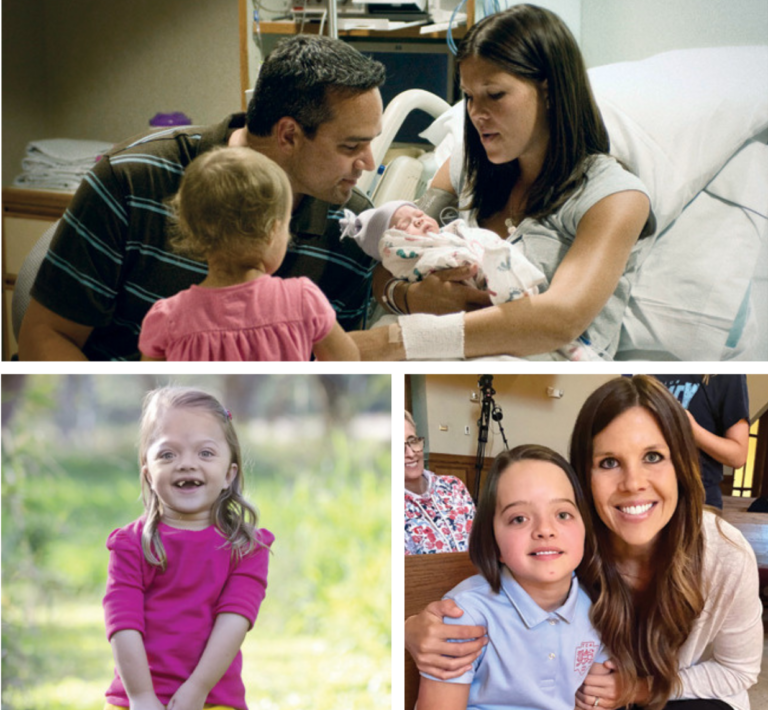
Lindsey with newborn Evie, husband John and sister Lyla; Evie at 4 years old; with her mom at 11 years old.


And what a gift she is – now at 11 years old, Evie is a fun and determined girl who is always on the go. As she’s getting older, there are new challenges, but as a family we have found our routines and our own normal. It’s OK that our lives don’t look like anyone else’s. Life can be good, really good, even dealing with something like this.”

– Lindsey Elsaesser, mother of Evie

Advice to Other Parents

  • When help is offered, say YES – whether it be meals or helping in other ways – allowing people in can help in the short-term but can also grow a lasting support network
  • Remember that HPP will be an important part of your life but it doesn’t define your child or your family.
  • Use your mother’s intuition

Amy’s story 

“At my 20-week ultrasound, I was told ‘something is wrong’ and in an instant, my dreams for the pregnancy and my baby’s life were shattered. Specialists said my baby could have HPP or osteogenesis imperfecta, but when she was born – she seemed healthy – so I breathed a sigh of relief. With no time in the NICU and only a few days in the hospital, we headed home. But within a few days, everything changed. One morning, Aubrey seemed stiff and almost frozen. The local hospital did rounds of tests and found nothing. The next day it happened again and this time, I wasn’t leaving the hospital without answers. We eventually found our way to a children’s hospital where Aubrey was diagnosed with HPP and soon after, was enrolled in a clinical trial and started treatment.

That was more than 8 years ago. Since that time, Aubrey has had more than a dozen surgeries, endless hospital visits and weekly physical and feeding therapy. But HPP doesn’t define her. She is full of personality (including a very sassy attitude), makes friends with everyone and is exceptionally smart for her age.

Our life as a family is about managing appointments for HPP, but it’s also about what other families have to deal with – two working parents, two children in school (Aubrey has a younger sibling) and normal everyday challenges. I realize now that I have new, different dreams for my daughter and for my family, but dreams nonetheless.”

– Amy Britt, mother of Aubrey
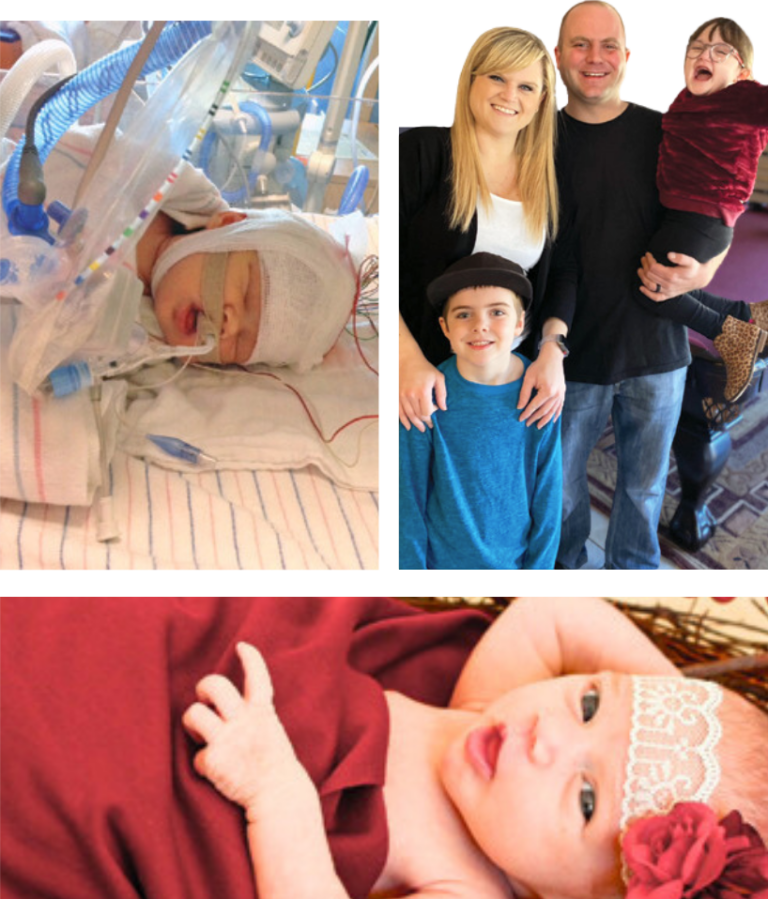
Aubrey as a newborn, in the NICU, and at 7 years old with her family.

Advice to Other Parents

  • Trust your instincts
  • Advocate for your child
  • Find at least one other HPP family where you can see similarities in your story and connect with them for advice and support

Laiken’s story 

“At 24 weeks pregnant, we received the HPP diagnosis for our baby. My pregnancy joy vanished as every appointment seemed filled with constant reminders that I could either lose my baby at birth or have a child with severe medical complexities. It was extremely overwhelming, scary and isolating. When I think back on the day I gave birth, I still get emotional as that was the moment we would find out if he would live or die.

Rowan did live and to us, he is perfect. At 14 months old, he is shorter than average and has vitamin deficiencies, but his developmental motor skills are on track and he is doing really well. We have regular treatment injections, supplements and therapy, but otherwise, our daily life is like any other family.

What is different is what we have learned throughout this journey. Rowan has taught us so much — to not focus on the ‘what ifs,’ to take one step at a time and to enjoy every moment. He is truly the greatest blessing to our family.”

– Laiken Latimer, mother of Rowan
Advice to Other Parents

  • Don’t stress about every potential problem (which just puts you through
    unnecessary emotional turmoil), instead tackle each challenge as it comes
  • Use the Soft Bones community for support and advice
  • Realize that every HPP baby can present very differently so try not to
    compare your story to others

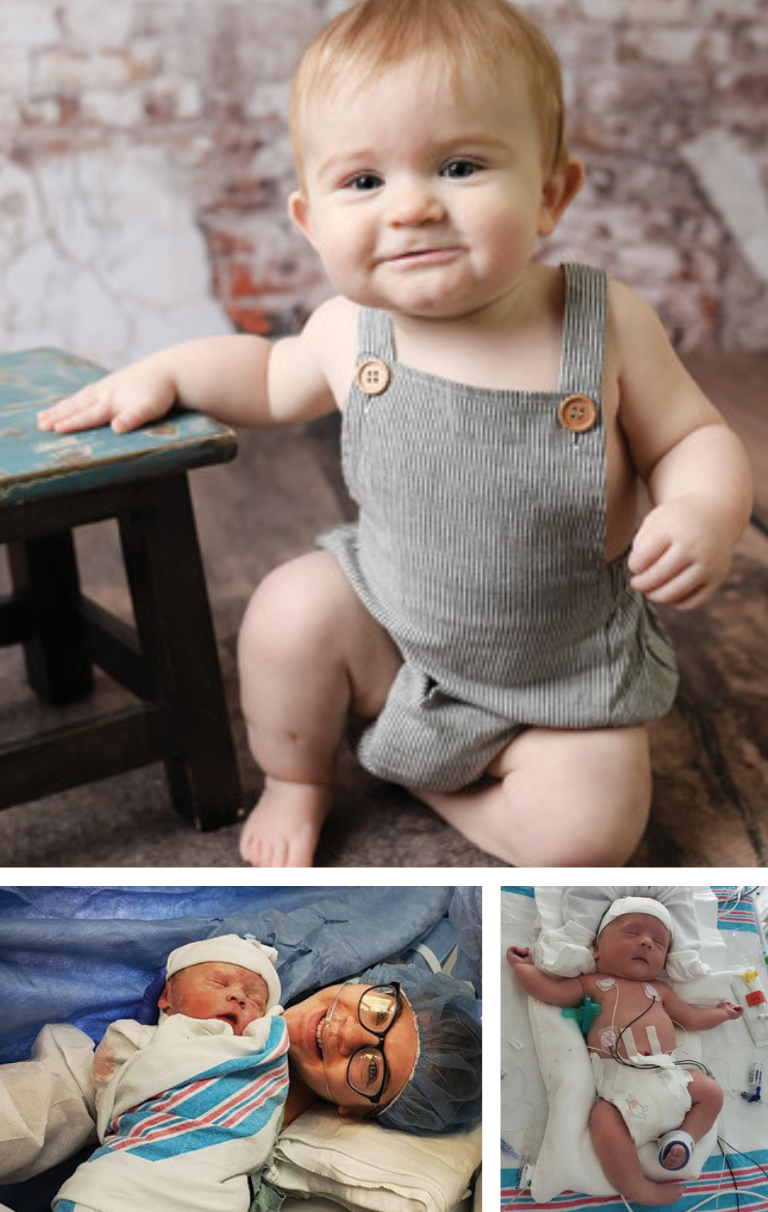
Laiken, with baby Rowan right after birth, in the NICU and at 12 months old

Commonly Asked Questions

What can I expect with HPP?

HPP presents with a remarkably broad range of severity in patients. Your child’s story will undoubtedly be very different from others, even among affected members of the same family. Some children have severe complications early in life, whereas others have less severe disease that may cause problems during childhood but can improve during puberty and young adulthood. It can be a challenging disease in which you need to expect the unexpected, but there are also many moments of joy and happiness as with the arrival of any baby. 

Will my baby survive?

HPP can be a life-threatening disease and there are cases where pregnancies end in stillbirth or affected newborns survive only for a few days. That said, many babies not only survive, but thrive. Good neonatal care with an expert team that understands HPP is essential. Treatment with Strensiq® (asfotase alfa), when indicated, has led to significant improvements in survival and importantly, in meaningful survival without respiratory support. Additionally, significant improvements in motor development, growth and skeletal mineralization can occur with the use of Strensiq® when needed. 

What doctors do I need to talk to? 

The healthcare professionals will vary depending on the severity of your baby’s HPP. What is key is having a multi-disciplinary approach – a team of doctors from different specialties and other disciplines that work together to provide the best care possible for your child. While pregnant, the core care team typically includes the obstetrician, a maternal-fetal medicine specialist, a metabolic bone specialist (who is often a pediatric endocrinologist or geneticist), and a genetic counselor. Once the baby is born, the core care team often includes a neonatologist, a metabolic bone specialist and a genetic counselor. Depending on the problems your baby may be experiencing, a child neurologist, a pulmonologist, a gastroenterologist, a pediatric neurosurgeon, a pediatric orthopedic surgeon, a chronic ventilator team, and a dietician may be needed for care. 

What kind of therapy/treatment do I need ready
before the baby is born (or soon after)?

The kind of treatments that your child will need depends on the severity of HPP. One of the most important things to do is to reach out to Soft Bones as soon as you have the HPP diagnosis to ensure that your hospital will have access to Strensiq® (asfotase alfa), should it be needed. Time is of the essence for newborns needing medication so it is critical this is set up in advance.

If your infant has the perinatal form of HPP, they may require assistance with breathing. Your child may also likely need a specialized medical team and assistance with feeding. If your child does not have the perinatal form of HPP or has perinatal HPP without respiratory failure, but is instead diagnosed with HPP later in infancy (infantile hypophosphatasia is diagnosed before 6 months of age while childhood hypophosphatasia is diagnosed after 6 months of age), it is less likely that they will require assistance for breathing but still may require a feeding tube and Strensiq®.

How can I hold
my baby safely? 

Common sense is the best guide for handling a child with HPP. Do not be afraid to show affection to your child by cuddling, rocking, touching and talking to them. Frequent stimulation is necessary for sound emotional and social development. That said, remember that your baby’s bones are soft and fragile, therefore certain precautions need to be considered as outlined in this guide.

Do I need to give my baby a special diet? Can I nurse?

Breast milk is an excellent source of calories for virtually all infants, including those with HPP. Babies with all but the most severe forms of HPP should be capable of breastfeeding. However, there are some babies with severe HPP who may have too much calcium in the blood and the urine, and therefore require special infant low-calcium formulas. If the baby is not able to breastfeed, the mother may opt to pump breast milk or formula and feed the child from a bottle, nasogastric tube or G-tube. 

My baby seems to have some gastrointestinal problems
(reflux, upset stomach, constipation) is this linked to HPP? 

Reflux is quite common in babies with HPP as is constipation, but they are also quite common in babies without HPP. Generally, therapy that is recommended for babies without HPP is also appropriate for those with HPP, but it is important to talk to your healthcare team about how best to manage any gastrointestinal issues. 

How will this affect
my other children?

Having a baby with HPP affects the entire family, as does the arrival of any new baby. Your other children may experience typical jealously once the baby arrives which can be exacerbated by the amount of time that the parents need to spend with the new baby, given the potential for hospital stays, related travel and HPP appointments. However, children can also become incredibly sympathetic individuals by having a sibling with HPP. They can grow to be extremely caring and open-minded by seeing life with a serious rare disease first-hand.
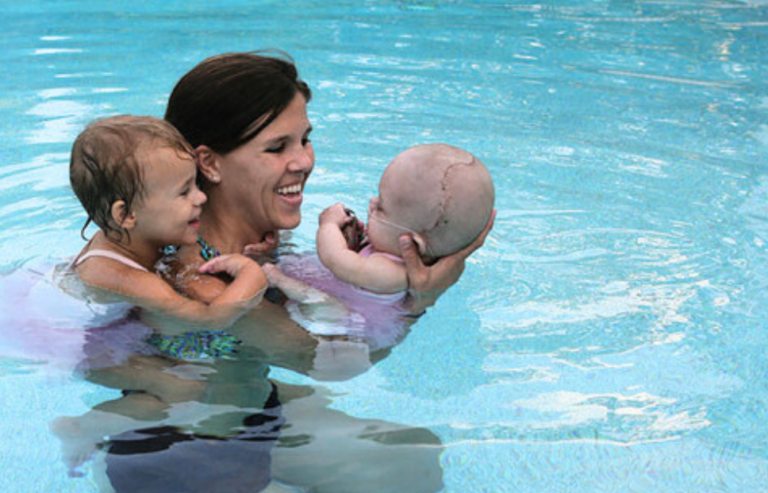

Mom with Evie and her sister

I found out I have a change in
the HPP gene (ALPL) do I have HPP? 

To date, ALPL is the only gene known to be associated with HPP. Typically, with a genetic test, you get either a positive or negative result:

  • Positive this means that the geneticist has found a change in the ALPL gene that causes HPP. Some people with one abnormal copy of the ALPL gene have signs and symptoms of HPP, but almost all patients who present perinatally or in infancy with HPP have changes to both of their copies of ALPL. Other people with a change in one copy of the ALPL gene may not have symptoms of HPP and have traditionally been referred to as “carriers,” although given the complex nature of HPP, that term is not accurate in all circumstances. Whether you have symptoms or not, if you have a change to the ALPL gene, there is a chance you could pass HPP on to your children. Refer to the genetics section of this guide for more information.
  • Negative no change in ALPL was found, meaning you are not a carrier and do not have HPP. On rare occasions there are exceptions to this conclusion as most commercial laboratories cannot analyze 100% of the ALPL gene.

Less common is a result known as a “variant of uncertain significance,” which means that a change in ALPL was found, but the consequences of that change are unknown. Variants of uncertain significance are often part of normal human variation and typically do not cause disease. However, in some cases, due to a lack of currently available data, a particular change in ALPL will be deemed a variant of uncertain significance but will ultimately go on to cause disease. It is important to discuss the nature of any variants of uncertain significance with a genetics professional to understand more.

I feel overwhelmed, how will I get through this? 

First, know that you are not alone on this journey. It is overwhelming to have a child with a rare disease such as HPP. Especially as HPP’s broad range of clinical severity may make it difficult to relate to others’ stories as every journey is so distinct. Support can be found via advocacy organizations (such as Soft Bones), other parents and through your healthcare team. Social media groups can also be useful for support, although it’s important to note that information gleaned from social platforms reflects personal experience or opinions, and it may not be medically accurate or relevant to you. You also have the strongest power of all within yourself – your parental ‘gut’ instinct and love – that will help guide you to make the best decisions for you and your child.

Pregnancy & Birth Planning

Whether you are early in your pregnancy or only days away from giving birth, a parent’s mind and emotions are likely moving in various directions. HPP adds another dimension, with additional questions and unknowns that can create emotional and physical stress. We know your path is unique but many expectant parents have navigated an HPP journey before you – from first-time parents to those with multiple children. This section provides a topline overview of information to help in your discussions with prenatal care teams.

Prenatal HPP diagnosis and decisions

Severe HPP is often first suspected in pregnancy during routine tests such as ultrasound, chorionic villus sampling (CVS) and amniocentesis, and is frequently confirmed through genetic testing prenatally. Patients who have not undergone genetic testing prenatally will likely be tested shortly after birth. Current understanding is that HPP is a genetic condition caused by changes in the ALPL gene (refer to the genetics section of this guide for more information). While a genetic test may identify changes in the ALPL gene, it cannot always predict whether the individual will be affected or the severity of disease.

IMPORTANT: As soon as you receive your baby’s HPP diagnosis and ideally

in advance of giving birth, it is critical that you reach out to Soft Bones.

Your baby may require Strensiq® (asfotase alfa) upon delivery and most hospitals do not have this treatment in stock. If your baby needs medication, time is of the essence for this life-saving treatment. Soft Bones can help ensure your baby has access to treatment without delay.

Please contact us at (866) 827-9937 | (973) 453-3093 | info@softbones.org

IMPORTANT: As soon as you receive your baby’s HPP diagnosis and ideally

IMPORTANT: As soon as you receive your baby’s HPP diagnosis and ideally in advance of giving birth, it is critical that you reach out to Soft Bones.

Your baby may require Strensiq® (asfotase alfa) upon delivery and most hospitals do not have this treatment in stock. If your baby needs medication, time is of the essence for this life-saving treatment. Soft Bones can help ensure your baby has access to treatment without delay.

Please contact us at (866) 827-9937 | (973) 453-3093 | info@softbones.org

At this time, there are no treatments or dietary supplements that can be used prenatally to prevent the baby from having HPP or that will make the disease milder. All pregnant women are encouraged to talk with a physician about appropriate diet and exercise during pregnancy to ensure optimum health for both themselves and their babies.

With a severe HPP diagnosis, some parents may face the decision of whether or not to continue the pregnancy. This is a deeply personal and difficult decision for any expectant parents. What is important to understand is that many babies with severe HPP, and who receive the right treatment and care, can often lead a full life. That said, it is difficult to predict the severity of the disease, which can also change over time and can require an intense level of care and attention. It is important to seek support from loved ones as well as other HPP parents and your healthcare team to make the best decision for your family and to prepare for the path ahead.

Getting a Care Team in Place

As with other rare conditions, it can often be a long and frustrating road to diagnosis, but once an HPP diagnosis is made, expectant parents can work with care teams to outline a clear treatment and care plan. It is important to build a prenatal care team to provide you and your baby with the support needed. Although each case of HPP is different and requires various specialists, the recommended core team includes:

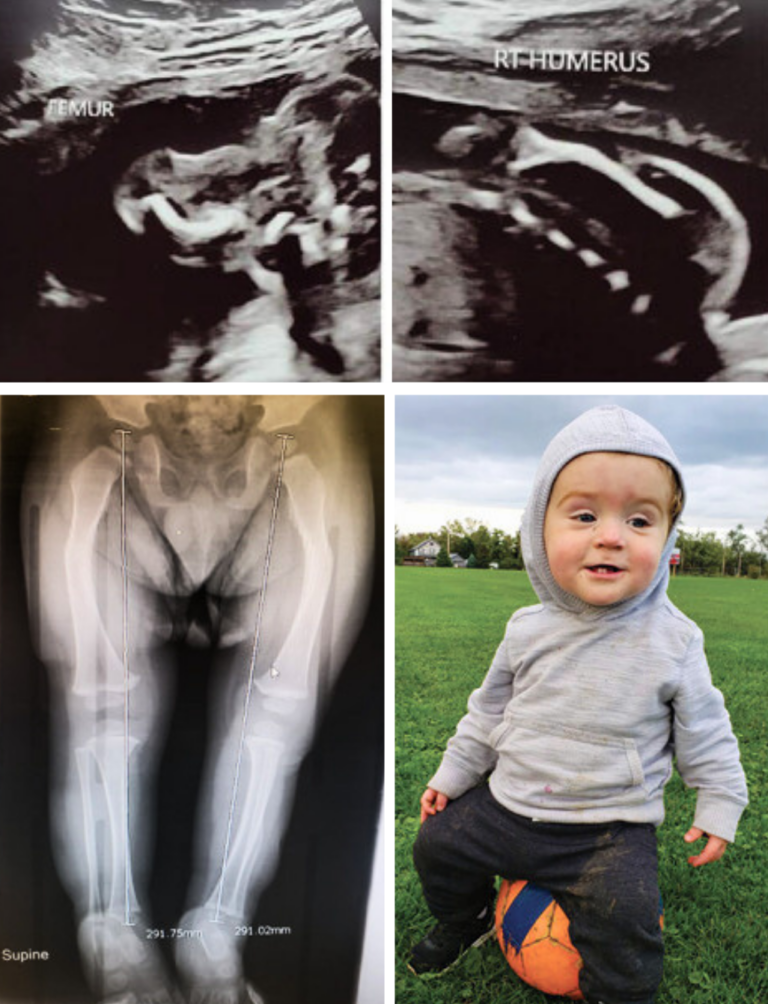
Rowan in utero, and as a toddler now.


  • Obstetrician 
  • Maternal-fetal medicine specialist
  • Metabolic bone specialist (usually a pediatric endocrinologist or clinical geneticist)
  • Genetic counselor

Depending on the clinical features of HPP in your baby, you may need additional specialists which will become apparent closer to your delivery date or once the baby is born. Members of your core team can provide guidance about other healthcare providers who may be needed. These could include a neurologist, neonatologist, pulmonologist, dietician, gastroenterologist and others. It can be overwhelming to think of coordinating a large number of specialists, which is why it is important to start with your core care team as a first step and then add specialists as needed over time.

If you are an expectant mother with HPP

Women with HPP who are pregnant or considering pregnancy should consult an obstetrician/gynecologist. A maternal-fetal medicine specialist, a physician who specializes in managing high-risk pregnancies, may also be helpful for women who anticipate pregnancy complications. These could either be due to HPP related problems or other problems, such as a history of preterm labor, multiple miscarriages, or other significant health concerns. Planning to deliver at a hospital with special services for high-risk mothers and babies is another consideration that should be discussed with the care team.

If you are an expectant mother with HPP

on enzyme replacement therapy

There hasn’t been research on using Strensiq® (asfotase alfa) during pregnancy, so the potential risks to the mother and baby are unknown. There is also no data on the presence of asfotase alfa in human milk, the effects on the breastfed infant, or the effects on milk production.

Babies born with HPP may have varying severity of disease, 

and it can be a long road for babies with more severe disease,

but many patients end up doing well.” 

 Eric T. Rush, MD, FAAP Children’s Mercy Kansas City

Photo by John Looy on Unsplash

Birth Planning

Choosing the right delivery method for you is an individual decision that should be made in partnership with your obstetrician. Research conducted on other brittle bone disorders did not show a difference in risk of broken bones between vaginal versus cesarian, or C-section delivery. Similar research has not been conducted on HPP, but our medical experts have advised that the risk of broken bones appears to be relatively lower than what is observed in other brittle bone disorders with a similar overall level of severity. As there is no specific data for HPP, the recommendation is that the decision on the mode of delivery should take into account the medical needs of both mother and baby and the values and goals of the family.

It is also important to consider the kind of treatments that your child will need upon birth, which depends on the severity of HPP. They may require assistance with breathing after delivery, Strensiq® (asfotase alfa), and assistance with feeding. Discussing these aspects with your core healthcare team in advance will ensure that you are prepared for all aspects of your child’s birth. In addition, be sure to reach out to Soft Bones in advance of delivery to arrange for your hospital to have Strensiq® on hand, in case needed.

One Final Note

Often the in-depth planning for a child with HPP can sometimes take away from the joy and excitement of their arrival. It is also not unusual for parents who know their baby may have a problem after birth to grieve for the healthy baby they will not have. Recognizing these feelings may help you seek the appropriate support. Additionally, it can be difficult, but important for many parents who are overwhelmed with planning and decisions, to take a moment and try to embrace the positive emotions as you would in advance of bringing any new baby into this world.

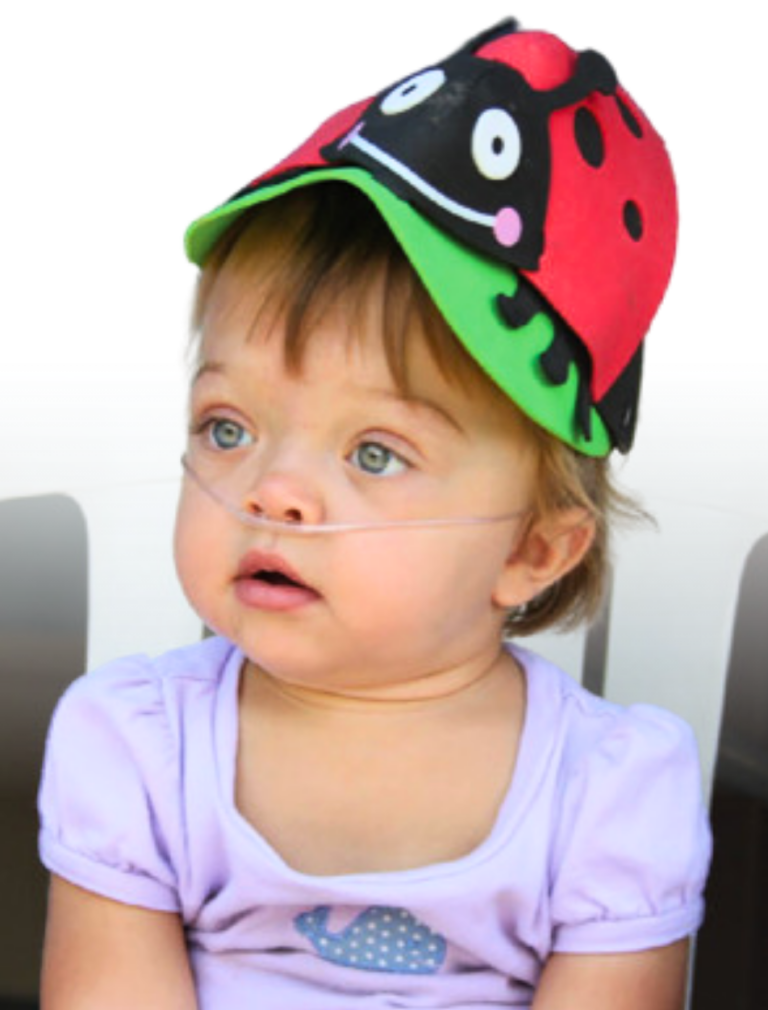
Evie in her lady bug hat!

Baby at Home

In many cases, having an HPP baby is the same as having any other baby and the typical safety and care guidelines need to be followed. However, there are aspects of care that are unique for babies with HPP.

"Remember that your child with HPP is just that — a child, not a disease, so treat them as such.”

"Remember that your baby is just like any other baby and they deserve to have it all. I always say it was good we ‘annoyed’ our little girl from the start with always trying new things or exposing her to different activities. Now she’s a happy little girl living her best life and it will only get better!”

I’m a huge advocate of starting oral stimulation early on. I believe this can significantly impact your child’s ability and desire to eat by mouth further down the road. Pacifiers can be cut to fit around the tube of intubated babies to allow them to suckle. My son loved this! Later on, oral feeds can be introduced to trach-and-vent dependent infants with the assistance of a speech-language pathologist. Personally, we feel this opened the door for our son to eat completely by mouth as he does now. So don’t hesitate to talk to your child’s respiratory and speech therapist about what may work for you.”

Diet and Nutrition 

As with all children, it is important that children with HPP have a balanced diet that contains enough water, fiber, calcium and vitamin D for their age and size. Breast milk is an excellent source of calories for most infants, including those with HPP. Babies with all but the most severe forms of HPP should be capable of breastfeeding. However, there are some babies with severe HPP who may have too much calcium in the blood and the urine, and therefore require special low-calcium infant formulas. If the baby is not able to breastfeed, the mother may opt to pump breast milk or formula feed the child from a bottle, nasogastric tube or G-tube.


Additional considerations: 

  • Some babies with HPP have a weak sucking reflex and may require small, frequent feedings
  • Slow weight gain is typical in babies with HPP; the combination of small stature, feeding problems and slow growth may be mistaken for failure to thrive
  • Nutrition counseling for the family may be beneficial
  • As for most babies without HPP, it is recommended to provide a vitamin D supplement for breastfed or partially breastfed infants
  • A child with swallowing difficulties may also need a referral to an occupational or speech therapist
  • Burping should be done very gently to reduce the chance of injury, especially of broken ribs; it is recommended to use soft taps, possibly with padding over the hand or to rub the baby’s back while taking gentle bouncing steps which may also be beneficial

"If you notice your baby starts to gag during or slightly after a feed, vent them. Take a bigger syringe and connect it to allow air to come out. This should help the baby feel better and stop gagging.”

"We exclusively breastfed, but remember that the diet and nutrition needs of each child really varies. We listened to our doctors but ultimately followed our gut and did what we believed was best for us."

Rowan loving the swing!

Handling

Cuddling, rocking and touching are necessary for the development of any baby. For handling a child with HPP, common sense and your parental instincts will be your best guides. Because their bones are soft and fragile, movements should be slow, methodical and gentle.

There are other precautions that need to be considered:

  • Never push, pull, twist, bend, apply pressure or try to straighten arms or legs
  • Do not lift your baby under the armpits or pull on their arms or legs; when changing a diaper, put your hand under the baby’s buttocks (do not lift by the ankles)
  • Be careful that little fingers and toes do not get caught on clothing or blankets
  • Put your baby in different positions to prevent rashes and sores, as well as to help develop different sets of muscles, which is important for mobility
  • Occasionally a gel pad is necessary to protect the back of the skull from flattening; rolled blankets or soft foam wedges can be used to support side-lying
  • Rib fractures, a deformed chest or similar issues may preclude placing the baby on their stomach
  • When using a car seat, parents are encouraged to place a label on the car seat stating the HPP diagnosis, physician name/phone number and HANDLE WITH CARE instructions in case an accident occurs

"Remember that for most kids with trachs and vents, those are just an extension of their bodies. We as parents might find it scary or uncomfortable, but the kids are used to it. Let them do tummy time, crawl around, roll over – all of it! Just keep the trach ties secure, connections tight and alarms on at all times. Understand that trachs will come out accidentally no matter how careful you are. Be prepared and confident in your ability to care for these medical situations. Just remember to LET THEM BE KIDS!”

"I want other parents to know that tummy time can work with trachs! Make sure the baby has a good amount of head control, then put the circuit under one of their armpits, whichever makes more sense for that time, and help them roll over. Make sure hands are by their mouth and shoulders and arms are in. Tummy time also works nicely cuddling to mom and dad on your chest.”

Dressing

There are certain precautions that you should take when dressing your baby:

  • Look for clothes with snaps down the front and at the crotch and wide openings to more easily slip over the baby’s arms or legs; clothes without ribbons, buttons, pockets and ruffles are also safer for the baby
  • It may be better to have slightly larger clothing sizes rather than too small in order to prevent unnecessary pulling or twisting when putting clothes on

Development and growth 

It is important to track growth and development in all children, including those with HPP. Some specific aspects to keep in mind:

  • HPP does not typically affect a child’s ability to think and learn, but children with HPP can demonstrate delays in meeting motor developmental milestones:
    • It is common for babies with HPP to experience delays in gross motor milestones such as rolling over, sitting, crawling, pulling to a stand, walking, etc.
    • Physical and occupational therapy, along with the use of adaptive equipment and mobility aides can assist in meeting developmental milestones
  • Variable short stature and a slow growth rate/weight gain often occur in HPP

Teeth

Early tooth loss is a clinical hallmark of HPP and for some patients, it may be their only symptom of HPP (odontohypophosphatasia). Regardless of what form of HPP your child has, teeth can fall out at any time for no apparent reason. The enzyme activity of ALP, which is lower than normal in children with HPP, is important for normal tooth development. Lack of (or decreased levels of) ALP activity can result in abnormal formation of the enamel, dentin, and cementum (responsible for anchoring the tooth to the jaw). It is not uncommon for tooth loss to begin between one and two years of age in children with HPP.


Rowan at 12 months old.

Many parents try to keep their child’s teeth in as long as possible, but in the end, nothing has been demonstrated to be effective at retaining teeth. In many cases, the tooth will painlessly come out with root intact, and there will be little or no blood. This can be scary for parents since a tooth with an intact root is long and can look different, but this is typical of children with HPP. Sometimes a tooth may partially fall out or some remaining piece of the tooth might be stuck to the gum. This is also normal. You can try to remove the piece of the tooth yourself or see your child’s dentist for further care. After a tooth falls out or is pulled, you may see a blood clot. These form in the socket to protect the bone and nerves underneath. Sometimes that clot can become dislodged or dissolve a couple of days after the loss of the tooth.

The best advice is to recognize that this is normal for children with HPP and that most children learn to adapt easily to their tooth loss. With this in mind, stay calm, as this will help your child remain calm too. Many families have turned this into a positive experience, including making children feel extra special with visits from the Tooth Fairy.

Although there is no current method to prevent this premature tooth loss, optimal dental care is important for people with HPP to help ensure they do not suffer from dental cavities and additional tooth loss. As with all children, an early introduction to a dentist (by one year of age) is recommended, as well as using fluoridated toothpaste (after age 3 years) and avoiding large amounts of sugar. More frequent dentist visits may be required to keep teeth healthy

Treatment & Therapy

Enzyme replacement therapy

There is one FDA-approved enzyme replacement therapy called Strensiq® (asfotase alfa), which replaces the deficient ALP in children with HPP and was approved for use in severe cases (perinatal, infantile and severe juvenile forms) of HPP. It is an injection given under the skin (called a subcutaneous injection) of the abdomen, upper arms, upper legs, or buttocks. Many families in the Soft Bone community have seen positive results with the treatment, although individual results vary and there can be serious side effects including allergic reactions and skin changes at injection sites. It is important to talk to your healthcare team to determine if Strensiq could be appropriate for your child.

Physical Therapy

Goals for physical therapy include expanding and maintaining function and promoting independence. A typical program includes muscle strengthening and aerobic conditioning. Physical therapy often begins in infancy to counteract the delay in motor skill development many children experience due to HPP-related muscle weakness. Adaptive devices may be needed.

Occupational therapy and safe exercise

Occupational therapy and safe exercise helps with fine motor skills and the selection of adaptive equipment for daily living. As a child with HPP grows older and gains more independence, he or she will benefit from continued physical activity.

Healthy Lifestyle

Children with HPP benefit from a healthy lifestyle that includes safe exercise and a nutritious diet. Adequate intake of nutrients, such as vitamin D and calcium, are necessary to maintain bone health. However, extra doses of these nutrients are not recommended. Maintaining a healthy weight is important since extra weight adds stress to the skeleton, heart and lungs and reduces the ability to move easily.

Other treatments: Other treatments may include supplemental oxygen for children with breathing problems, feeding tubes and mobility aids.

"I felt guilty about all the extra time I had with my son Cannon who has HPP, time that my other children lost out on. But my other children got a gift I didn’t realize at the time – the gift of compassion and kindness. Cannon’s siblings are gentle and understanding souls who are sympathetic to others’ struggles and who readily accept people who are ‘different.’ I’m so proud of all of my kids who have navigated this HPP journey together, in different ways, to become the incredible people that they are.”

"Enzyme replacement therapy is a remarkable advance in the treatment of children with the more severe forms of HPP. In my view, newborns with perinatal HPP and babies with the infantile form should be started on therapy as soon as possible. Similarly, children with the severe childhood form — those with significant bone abnormalities — can often benefit from this treatment even though about half of these children may spontaneously improve over time without it. It’s important that parents work with a metabolic bone specialist to ensure safe administration and appropriate use of enzyme replacement therapy, and to help manage any possible adverse effects.”

Deborah with Cannon at Soft Bones Denim & Diamonds 2025

Siblings 

Children can become incredibly sympathetic individuals by having a sibling with HPP. They can grow to be extremely caring and open-minded by seeing life with a serious rare disease first-hand. That said, there are many complicated emotions that the other child(ren) may feel including being jealous of the time that their parents devote to caring for a child with HPP, feeling left out, angry, sad or afraid. It is also common for children to feel resentment when they perceive that the child with HPP is treated differently than the rest of the family.

The following strategies for parents can help siblings develop a life-long affection and respect for each other:

Communicate openly and calmly with children 

information can help them feel more secure and reassured

Don’t forget to spend special time with children who do not have HPP 

 Be sensitive to the sibling’s point of view 

Provide guidance about how to safely play with their fragile brother or sister  

Expect age-appropriate behavior from all children in the family 

Include the child with HPP in family projects and daily chores 

Teach all children in the family what to do in an emergency

Child abuse accusations 

In rare cases, parents of children with HPP may be mistakenly suspected of child abuse because of signs like broken bones and poor weight gain. This can be a scary thought, let alone a frightening situation to face. In the unlikely event this happens, be sure you are prepared by carrying a letter from your doctor stating that your child has HPP (and explaining what HPP is) and bringing copies of your child’s medical records when travelling. Answer questions about your child’s condition calmly with the understanding that others are looking out for a child’s best interest.

Making the Most Of Doctor Visits

Management of HPP needs a multidisciplinary team, which is a group of healthcare providers from a range of different specialties who work together to provide the best care for your baby, along with support for the family as a whole. The goal is for these specialists to work together and productively as a team to improve the health of your child.

Typically, there is an “anchor” to the team, which for HPP is often, but not always, the metabolic bone specialist. You can work with them to identify the other specialists needed. Although the healthcare team should be communicating among themselves, it is important for you to help keep members of the team informed about key updates and conversations you have had with other specialists.

As HPP is rare, often the best care is provided in tertiary care centers, which are large hospitals with specialists who may have more experience managing HPP. If it is not possible due to geography to visit such a hospital, then a local team can collaborate with a center more familiar with HPP to provide optimal day-to-day care.

The most important aspect to remember is HPP care requires a team and you are part of that team. To ensure that you make the most of each doctor visit, here are some suggested tips:

Set a goal  

Make the best use of your appointment by setting a goal for yourself. What is it you need to accomplish at this visit? Do you need a referral to a new specialist? Do you want to understand how your baby is doing on current treatment? Do you want to better understand next steps? Do you want to discuss a change in care? Focus on your goal for the appointment to ensure you get what you need out of every visit

Write it Down 

Medical visits can be very stressful, which can make it difficult to remember all of your questions prior to an appointment. It may be helpful to write out your main questions beforehand so you can get the most out of your appointment, as well as writing down notes during the visit itself. Your healthcare professionals will also appreciate this, knowing they have had a chance to answer all of your questions before you leave.

Bring Support 

If the facility permits or if it’s a virtual appointment, have another adult attend with you and your child. This can be helpful, as different people hear and retain information in different ways. There may also be times when your mind can get ‘stuck’ on one update and then you miss the next piece of information. Alternatively, the other adult can care for your child during the appointment so you can put your full attention on the discussion with the healthcare provider.

Speak Up 

If something is unclear, ask for clarification from your doctor. “There is no such thing as a stupid question” says Dr. Gottesman. Don’t hesitate to ask any questions when you are uneasy or have concerns. Parents who have children with HPP often speak of tapping into their instinct that “something wasn’t right” – be sure to listen to that inner voice and speak up when needed. Physicians and other healthcare providers should welcome respectful questioning and dialogue with patients and families.

Stay Organized 

Create a folder, binder or electronic system that enables you to not only stay on top of appointment dates and times, but where you can keep records and notes of important aspects/updates of care that were discussed. Find a system that works for you, as being organized from the start can save you time and effort down the road. Also, feel free to ask to record the discussion or request a printed summary so that you can refer back as needed; often there is a lot of information to digest. This will also be helpful for sharing updates with other members of the multidisciplinary team.

For your child with HPP, there will undoubtedly be various appointments, evaluations, tests and procedures. Take each step as it comes and while it is helpful to think ahead, many parents navigating HPP have noted the importance of avoiding the endless “what if” discussions. Instead, focus on what you can control, which is building the strongest healthcare team possible, being an involved and active member of that team, and continuing to advocate for the best care possible for your child.

"One tip regarding medical supplies — when you go to the hospital for an admission or a procedure ask for any supplies you need (such as vent or trach supplies). Typically, the hospital can order these up from central supply and you can take them home that day.”

Evie paddle boarding.

Build Your Child’s Care Team
Name
Specialty

Phone/Email

Genetics of hypophosphatasia

Humans have 23 pairs of chromosomes, one set from each parent, for a total of 46. Within the chromosomes are about 20,000 genes. These genes are coded to provide a blueprint for the building blocks that make proteins that are necessary to keep our bodies healthy. Sometimes there are mistakes or changes to these genes known as mutations.

HPP is caused by one or more mutations in a gene called ALPL, which encodes a protein called tissue non-specific alkaline phosphatase (ALP). There are other genes for ALP in the intestines and placenta, but ALPL is the only gene that causes HPP. ALPL tells the cell how to make ALP, which is essential for the healthy development of teeth and bones. Over 400 mutations have been discovered so far in the ALPL gene, and many prevent the resulting ALP protein from working properly. These altered ALP proteins cannot break down a molecule in the body that prevents bones and teeth from being able to use important minerals like phosphorus and calcium.

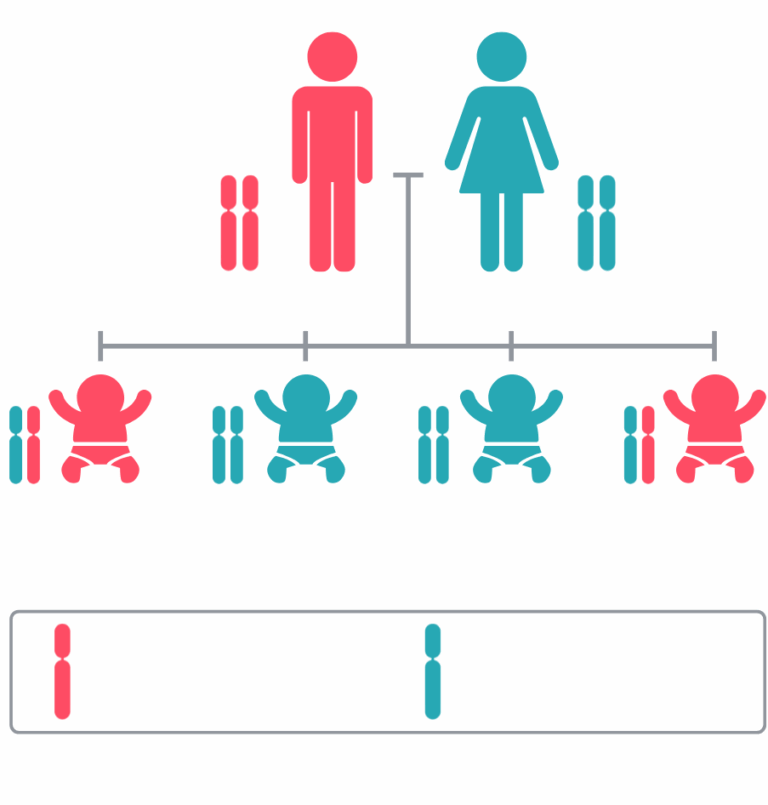
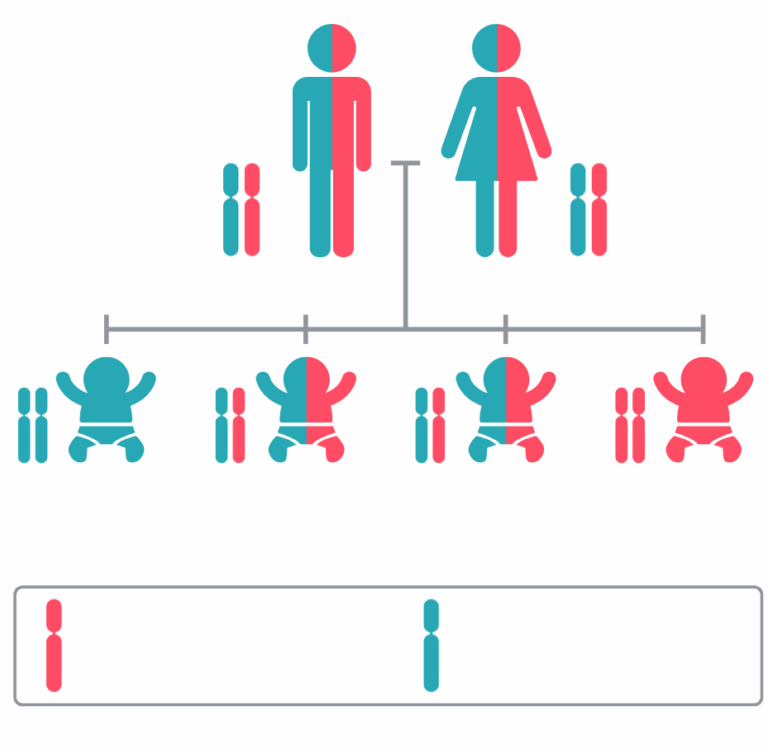
HPP can follow one of two patterns of inheritance, as seen below

Autosomal Dominant Inheritance

Father
with HPP
Unaffected
Mother
Affected
Child
Unaffected
Child
Unaffected
Child
Affected
Child
Dominant gene with
the ALPL Mutation
Recessive gene
with normal ALPL

Autosomal Recessive Inheritance

Carrier
Father
Carrier
Mother
Unaffected
Child
Carrier
Child
Carrier
Child
Affected
Child
Recessive gene with
the ALPL Mutation
Dominant gene
with normal ALPL

Autosomal dominant inheritance means that an individual has one working copy and one non-working copy of ALPL. A person with the dominant form of HPP can pass down either the non-working copy or the working copy of the gene to their offspring. This means each child has a 50% chance of inheriting the non-working copy of the ALPL gene. Not everyone who has inherited one non-working copy of the ALPL gene develops HPP. Adult- or childhood-onset HPP tends to be inherited in an autosomal dominant manner. Odonto-HPP, which only affects the teeth, is usually autosomal dominant.

Autosomal recessive inheritance means that an individual has two non-working copies of ALPL. Most likely, each parent passed down a nonworking copy. We used to refer to these parents as “carriers,” but given the complex nature of HPP, that term is not accurate in all circumstances. In fact, even within the same family, two people who have only one nonworking ALPL gene may have vastly different experiences. One person may act as a true carrier (not having HPP) and the other person may have mild or unrecognized symptoms of HPP or develop the condition later in life (“late-onset”). If two parents with one non-working copy of ALPL have a child together, their children each have a 25% chance of inheriting HPP in a recessive pattern. The more severe perinatal (the period immediately before or after birth) and infantile forms of HPP are inherited in an autosomal recessive manner. Some childhood- and adult-onset forms are inherited in an autosomal recessive pattern as well. There are many unknowns and complexities in HPP which is why it’s important to have a genetic counselor as part of your core medical team.

"Both my child and I have HPP. When I was young, what I remember most is the love my mother showed me. I have very fond memories of my mother lovingly rubbing my legs. My daughter cried for the first year and a half of her life and no one could figure out why. She wasn’t diagnosed until later in life, when I received my diagnosis. Despite all that she went through, I hope my daughter remembers the love we gave her. I’m so proud of the person she has become - a strong woman, a good mother and a special education teacher, helping others who need understanding and kindness. I wouldn’t wish this disease on anyone, but the reality is that some amazing people have HPP.”

Your Self-Care

Having a child with a rare, lifelong health condition like HPP can be stressful and isolating. A family can wait months or even years for a diagnosis, given that it is a rare disease. When a diagnosis is finally made, it may come as a relief but often then parents must deal with the uncertainty of raising a child with a chronic medical condition. And while caring for the child with HPP, parents often have to meet the needs of other children and adults in the family. The fatigue, stress and sadness can greatly affect parents’ health and relationships.

 A strong parent can be the best medicine for a child

The importance of self-care cannot be stressed enough. Both parents need to be as mentally and physically healthy as possible and be committed to taking an active part in their child’s medical care and support. Some tips include:

Pay Attention to your own needs

It’s challenging for most parents to put their own needs first, but even more so for parents who have a child with a rare and chronic condition. If you aren’t healthy and strong, you won’t be able to take the best care of your child. Regularly evaluate your own needs for rest, emotional support, friendships and activities.

Carve out space

Identify something only for you and try to make it a priority. It could be a 20 minute walk each day while a nurse or family member is watching the baby. Or meeting a friend for coffee each week. Or joining an online webinar about a topic that interests you. Find an interesting, fun or healthy activity that will help to refuel your spirit.

Find others like you

Although every journey with HPP is unique, there will be another family with some similarities to your own. Find and connect with other parents who have had similar experiences to seek support and advice.

Cope in a healthy way

Develop techniques for dealing with risk and uncertainty and a system for coping with medical emergencies. Try not to get caught up in the “what if’s” around what may happen with your child. With HPP, you need to expect the unexpected in many cases. Take each challenge as it comes and celebrate the good moments, the big and little wins along the way.

Get help

If you find your mental health is deteriorating and you are struggling to cope, the most courageous thing you can do is reach out for help. Letting family and friends know you are having a challenging time is one aspect, but ideally engaging a mental health professional who can give you support and guidance can make a real and lasting difference.

Being aware of trouble areas can help people be better prepared and avoid or minimize some potential problems. By putting support systems in place, many children with HPP and their families cope well with both the physical and the social/emotional problems associated with the condition to lead happy, interesting and successful lives

"Parents: Remember to take time for yourself. Even if that means allowing yourself 10 minutes to take a shower or a quick lunch date with your husband. Your child needs you well so you can best care for them. When someone offers to help, let them! I regret the times I turned down help. Start training family and friends early on to care for your child’s needs so you can have help when you need it. Parents sometimes get sick too, and it’s important to have backup to care for your little one.” ”

"I had so much grief because I didn’t get those “ moments of new baby smells and snuggles. Instead my memories are of hospitals and seeing my baby poked and prodded. It was the worst time in my life. Parental mental health is incredibly important – for you and for your whole family. The best and bravest thing you can do is reach out for help when you need it.”

IMPORTANT: As soon as you receive your baby’s HPP diagnosis and ideally

in advance of giving birth, it is critical that you reach out to Soft Bones.

Your baby may require Strensiq® (asfotase alfa) upon delivery and most hospitals do not have this treatment in stock. If your baby needs medication, time is of the essence for this life-saving treatment. Soft Bones can help ensure your baby has access to treatment without delay.

Please contact us at (866) 827-9937 | (973) 453-3093 | info@softbones.org

IMPORTANT: As soon as you receive your baby’s HPP diagnosis and ideally

IMPORTANT: As soon as you receive your baby’s HPP diagnosis and ideally in advance of giving birth, it is critical that you reach out to Soft Bones.

Your baby may require Strensiq® (asfotase alfa) upon delivery and most hospitals do not have this treatment in stock. If your baby needs medication, time is of the essence for this life-saving treatment. Soft Bones can help ensure your baby has access to treatment without delay.

Please contact us at (866) 827-9937 | (973) 453-3093 | info@softbones.org

Additional Resources

This guide is only an introduction to HPP. Your healthcare team is your best source of medical information while Soft Bones and other parents can share valuable information and experiences about living with HPP. Additional resources include:

HPP AND ME: The Soft Bones online community forum that connects patients, families & caregivers. Register here to sign up

PaL Program: This “partner and learn” program matches parents who have been or are currently on a similar HPP journey to provide peer support through encouragement and mentorship. Contact denise@softbones.org for more information.

Clinicaltrials.gov: A database of clinical studies conducted around the world. Search for HPP to stay up to date on the latest research.

This resource was sponsored, in part by